
Testimony practice
Mobile Phone Expert Witness
Mobile phone evidence explained for disputes and litigation, including messages, app records, device activity and the limits of location evidence.
Put phone evidence in context
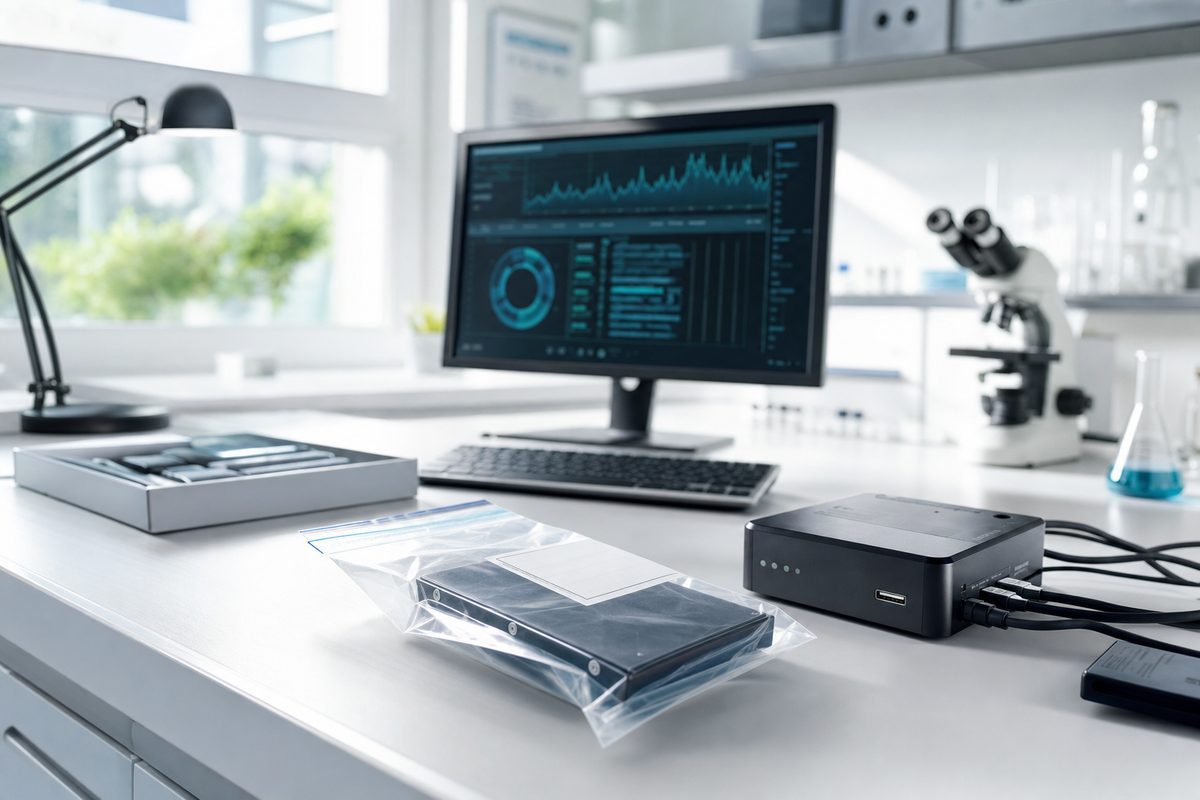
A message timestamp or location point rarely answers the entire question. GDF examines available phone and related cloud evidence to explain how records were created, how they relate to other activity and what conclusions they can support.
The relevant record may be spread across a handset, a linked computer and several accounts. We discuss the devices, applications and period in dispute before deciding what to examine. A phone can establish useful facts without containing a complete conversation, and a cloud return can contain material that was never stored on that phone.
Look beyond a screenshot
Potential sources include device extractions, backups, application databases, media metadata and provider records supplied through appropriate channels. The available evidence depends on the device, software version, account access, retention and collection method.
For a disputed conversation, the questions include which account and device produced the record, whether the displayed time was converted, and whether attachments or earlier messages are missing. A contact name saved by a user is not independent proof of the other participant’s identity. Attribution needs supporting evidence appropriate to the question.
Test the proposed timeline
The analysis considers time zones, synchronization, account sharing and gaps in the record. A location artifact may describe a device or service event without establishing a person's exact location. An account event does not automatically identify the individual using it.
A collection report should identify the device and method, the material recovered and the limits encountered. Exports, screenshots and extracted application records provide different levels of context. We keep those differences visible when comparing sources so that a partial display is not presented as a complete history.
Explain both findings and limits
The engagement can include comparison of competing interpretations, a timeline tied to source records and technical exhibits for counsel. Deleted content is assessed where available; recovery of every message or app record is not promised.
A useful exhibit can align a message with related file, account or device activity while preserving the source of each entry. Location evidence needs its own explanation of origin and precision. Reports should distinguish a recorded device event from a conclusion about who held the device or what that person intended.
The phone is only part of the record
A phone examination and a cloud-account examination can produce different evidence. An account may contain files, messages or photographs that were never downloaded to the handset. The phone may hold local application records that are absent from the account. GDF considers both sources when defining the examination, rather than treating a phone extraction as a complete account history.
Apple iCloud: synchronization is different from backup
Apple distinguishes information synchronized with iCloud from information included in an iCloud device backup. Depending on the settings, relevant material may sit in iCloud Photos, iCloud Drive or other synchronized services instead of the backup. A backup is not a complete copy of every cloud service. Encryption settings and available account access affect what can be collected. Apple explains what iCloud backs up.
Google accounts: look beyond the Android backup
An Android backup and the contents of Gmail, Google Drive or Google Photos are separate collection questions. Google notes that not every application backs up or restores all its data. We identify the accounts, relevant services and available records before deciding what the phone alone can establish. Google describes Android backup and restoration.
Samsung accounts and connected services
A Galaxy device may use a Samsung account alongside a Google account. Samsung Cloud can hold supported backup data, while files or photographs may use another connected service. Availability varies with the device, region, settings and service. We check the actual configuration rather than assuming that every item is stored in Samsung Cloud. Samsung describes Galaxy backup options.
Cloud storage is not a guaranteed archive of deleted material. Synchronization can propagate deletions, backups may be replaced, and retention varies. Restoring a backup or changing synchronization settings can alter evidence. Collection planning should address those risks before anyone experiments with the phone or account.
When a chat is visible but cannot be exported
Some conversations remain readable in an application even when a supported export or forensic collection method cannot obtain the underlying records. In that situation, screenshots or a documented visual capture may preserve material that would otherwise be missed. If the conversation cannot be displayed at all, taking screenshots will not solve the access problem.
We first assess available collection options, the authorized devices and accounts, and the risk of changing or losing data. For Signal and other encrypted messaging applications, access to a cloud account does not automatically provide access to message history. Backup and transfer options depend on the application, platform, settings and available recovery material. Signal documents its current backup and transfer options.
Preserve the conversation, not just the selected sentence
A documented capture should retain the visible conversation identity, dates and times, relevant surrounding messages and attachments where available. Overlapping images can help show sequence. Record the device and application used, who made the capture, when it was made and any gaps. Keep the original image files; annotated or redacted copies should be separate. Where permitted and useful, a screen recording can help document navigation through the conversation.
Explain what the screenshot cannot establish
A screenshot records what was displayed. It may omit message identifiers, underlying timestamps, delivery records, edits or deleted material. A displayed contact name does not prove who controlled the account, and a screenshot alone may not establish authenticity or completeness. We compare captures with available device records, exports, backups or other authorized sources and explain what remains uncertain.
Disappearing messages and applications that restrict capture require particular care. Opening a message or changing settings may affect the record. Do not reinstall the application, restore a backup or alter retention settings simply to try to obtain a better copy. Discuss preservation with the examiner and counsel first.
How the engagement runs
Scope
Discuss the disputed questions, relevant experience, potential conflicts and deadlines.
Examine
Review the available source records and document the methods used.
Explain
Prepare findings and exhibits that distinguish observations, opinions and unanswered questions.
Evidence we may examine
- Available device extractions and backups
- Messages, application records and media metadata
- Relevant cloud and provider records
Work planned with counsel
- Technical findings with supporting records and limitations
- Timelines and exhibits suited to the disputed questions
- Review of opposing technical opinions
- Reports and testimony within the agreed scope
Common questions
Can you check the messages behind a screenshot?
We compare a screenshot with available messages, databases or backups. A screenshot by itself may not establish completeness or authenticity.
Can phone records support the timeline?
Phone records can support a timeline, but time zones, synchronization and application behavior need to be checked before events are compared.
How reliable is the location evidence?
Location records vary in precision and meaning. We assess the source and supporting records before drawing conclusions about a device or person.
iPhone and Android encryption affect the collection plan
Encryption protects stored data, but its effect on an examination depends on the device, operating-system version, lock state and available credentials. Apple documents its Data Protection architecture; Android documents file-based encryption. Those designs help explain why access to one device or backup does not predict access to another.
We establish the condition of the phone and the available collection options before choosing a method. A supported extraction may contain only part of the application data. Cloud records, computer backups and other authorized devices may answer different questions. The report identifies the source of each finding rather than presenting every item as if it came from the handset.
Consider a dispute over when a message was sent. The displayed time, underlying application record and a cloud copy may use different time representations. We compare the records, account for time zones and document gaps. A device timestamp or account name alone does not establish who performed the action.
One conversation, several possible evidence sources
- Phone
Local messages, application records and device state.
- Cloud accounts
Available synchronized content and backups.
- Other copies
Authorized linked devices, recipients and exports.
- Correlated record
A timeline with each source and gap identified.
Technical references
Meet the examiners
For mobile phone expert witness work, discuss the disputed questions and the experience needed before defining the engagement. Veronica Perez is profiled in our expert directory. Meet the GDF team and discuss the technology, questions and availability with us. The expert selected for a matter depends on its scope and the required experience.
Talk with an examiner
Discuss Mobile Evidence
Tell us the systems, evidence and deadline. We can review relevant experience, potential conflicts and the scope before engagement.
Since 1992 · 24/7 dispatch · Court-tested experts
Talk with an examiner
Discuss the matter and the next step.
Tell us what happened and what you need to find out. Speak with a GDF expert about how we can help.
24/7 hotline: 1-800-868-8189