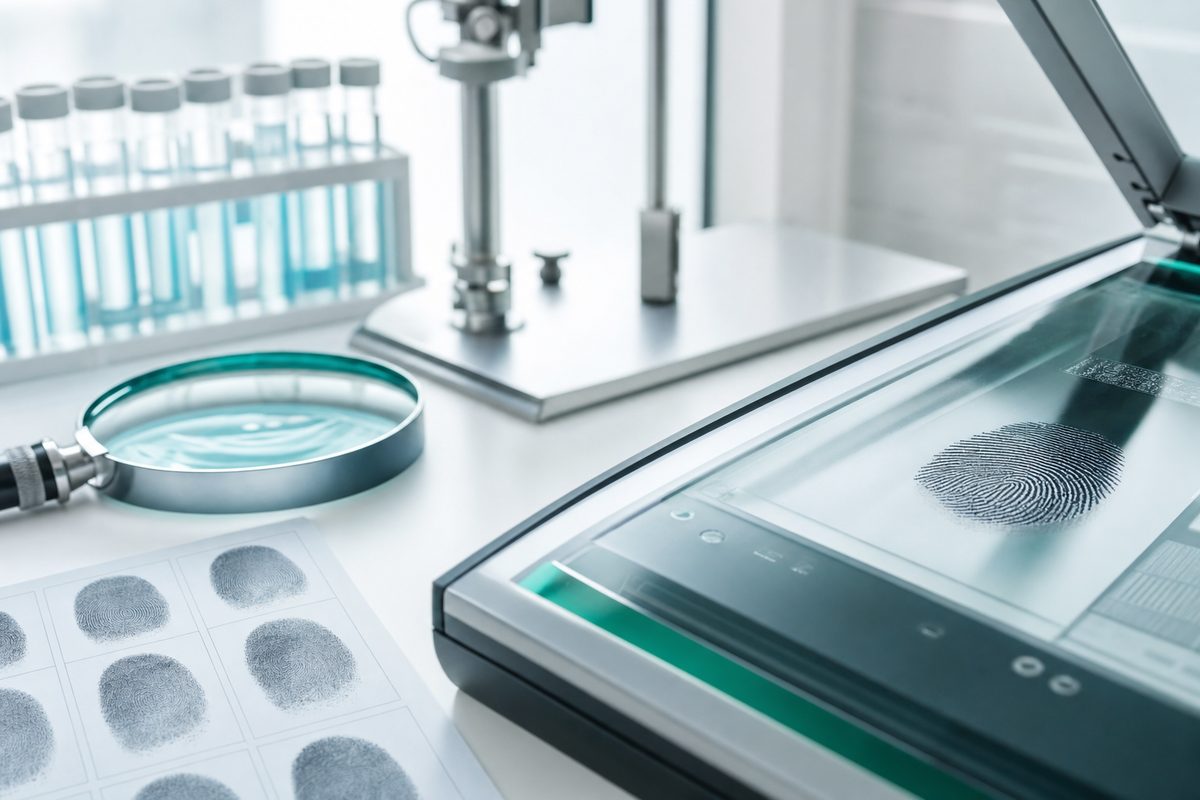
From a scanner to a stored identity record
Fingerprint, facial and retinal scanning systems involve more than the sensor. GDF examines the applications that receive captures, the templates or images they create, and the databases and services that retain them. We distinguish source images and recordings from derived templates, identifiers and matching results so the analysis describes the information the system actually handles.
We trace data between devices, applications, APIs, vendors and storage systems. Configuration, source code, database records and available logs can help establish whether information stays on a device, is sent elsewhere, is linked to a person, or persists after an account is closed. The scope of each examination depends on authorized access and the evidence available.
Security of biometric templates, images and databases
GDF examines access controls, administrative privileges, encryption, application interfaces, retention and deletion behavior around biometric data. We assess how a weakness could expose templates, images or associated identity records, and analyze evidence of unauthorized access or transfer where available.
Biometric data theft can create identity risks, but possession of a template does not automatically unlock every system that uses the same type of biometric. We examine the particular format, implementation and protections before drawing conclusions about reuse, impersonation or compromise.
Railroad, vehicle and voice-system matters
GDF's experience includes railroad biometric matters and matters involving automakers' microphone-based systems, in-vehicle cameras used to identify drivers, and voice-processing systems used to assess caller intent. These engagements require examination of the capture hardware, processing software and downstream handling of the resulting data.
A microphone or camera alone does not establish that a system creates a biometric identifier. Speech content analysis, caller-intent classification and speaker identification are different functions. We examine what the implementation does, what it retains and whether it links the result to an individual. This distinction helps counsel frame the technical questions accurately.
Technical evidence for biometric privacy disputes
GDF can document capture and enrollment, template generation, vendor transfers, retention, deletion and the controls protecting stored information. Reports explain the methods, findings and limits and support counsel's assessment of biometric privacy issues, including BIPA where applicable. Counsel determines the legal classification and obligations; GDF establishes the technical facts.