
Digital evidence and security
Atlanta Computer Forensics
Digital evidence examination and security testing for metro Atlanta organizations and the counsel who advise them.
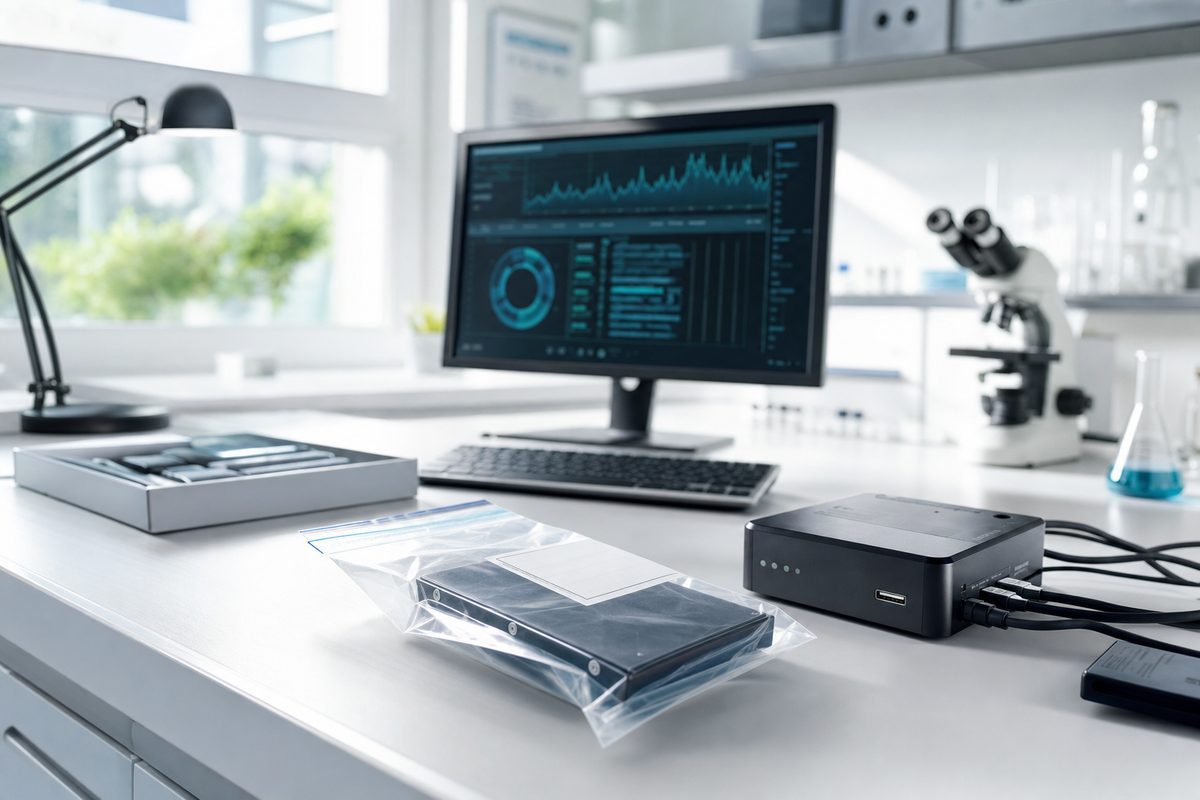
Coordinate an employee departure across offices and business systems
An Atlanta-area departure can involve a company laptop, centrally managed email and records held by a business application provider. Identify who controls each source and which equipment is due to be reassigned. GDF coordinates with the business, counsel and authorized administrators to preserve the relevant record.
For a team working across offices or facilities, identify the employee's role, shared folders, relevant customer or project files and the date of notice or departure. We can connect email attachments, cloud sharing and computer activity into a timeline for the business decision.
Employee email theft and company-file transfers in Atlanta
Explore flat-rate employee exit Core Analysis or a broader trade-secret forensic examination for your matter.
For an executive departure or partner separation, discuss the business records, account authority and decisions the examination should support.
Can you examine employee email theft for an Atlanta business?
Yes. GDF helps Atlanta-area businesses and counsel preserve company email, files and computer evidence and trace the recorded movement of information. We coordinate the accounts, administrators and devices before collection.
Evidence priorities in Metro Atlanta
The Metro Atlanta Chamber identifies fintech, supply chain and advanced manufacturing among its key industries. Work involving these organizations may cross payment platforms, outside administrators and operational networks. Source ownership and service-provider dependencies belong in the initial scope.
Scope the work to the matter
Payment and business-record reconstruction
Reconcile messages, account activity and available transaction records to the event being examined. Retain original exports and the information needed to interpret their timestamps. A bank confirmation, mailbox rule or browser artifact answers a different part of the question; findings should explain that distinction.
Devices and employee transitions
Before an issued laptop is reassigned, determine whether its records are relevant to a pending matter. Document custody and the device state, then coordinate the acquisition with authorized personnel. Compare local artifacts with cloud activity where available rather than assuming that a device image captures every business record.
Security testing across suppliers
An organization may own an application without owning every connected system. Written testing authorization must identify the endpoints, environments and third-party exclusions. Report the evidence for a finding, the business effect that was demonstrated and any impact that remains an untested possibility.
Services available through GDF
Use the technical service pages for methods, evidence sources and deliverables.
- Computer and hard drive forensics
- Mobile device forensics
- Email and cloud evidence
- Expert witness support
- Penetration testing
- Vulnerability assessments
- Application penetration testing
- Incident response
- eDiscovery collections
- Departing employee analysis
- Evidence-aware data recovery
- OT and SCADA security
- AI security consulting
Arrange an evidence or security consultation
For a metro Atlanta matter, name the business systems involved and the people who administer them, including outside providers. Describe the relevant dates and the decision the report needs to support. Contact GDF before shipping hardware or forwarding sensitive files.
Frequently asked
Questions about Atlanta engagements
Should IT run recovery software before a forensic collection?
Discuss the objective first. Installing software or restoring files can change the source and overwrite artifacts. The examiner can explain whether preservation, a forensic copy or a recovery procedure should come first for that device.
Can an assessment cover an application and its infrastructure?
Yes, if both are authorized and included in scope. Application behavior, identity controls and network exposure require different checks, so the report should distinguish the work performed in each area.
Before collecting evidence
For an active incident, call 1-800-868-8189.
Assign each source to an authorized owner
For a payment or employee-transition matter, separate employer-held devices, cloud accounts, vendor records and supplier systems. The company may own a business process without being authorized to collect every connected provider.
An illustrative handoff register identifies the system owner, requested export, available date range and receiving examiner. It can show that a mailbox was collected while a payment-provider record remains outstanding, rather than treating both as complete.
- Confirm the disputed event, relevant account or employee, deadline and company information at issue.
- Identify administrators and third-party approval needed for each source.
- Agree whether collection is remote, a controlled device handoff or a scheduled site visit.
- Record source gaps and supplier exclusions in the first inventory before examination or testing.
Talk with an examiner
Talk with the local team
Tell us where the people, devices or retaining team are located and the matter you need help with.
Since 1992 · 24/7 dispatch · Court-tested experts
Talk with an examiner
Discuss the matter and the next step.
Call to discuss timing, scope and the safest way to share information. Do not send evidence or credentials by email.
24/7 hotline: 1-800-868-8189