
Digital evidence and security
San Francisco Computer Forensics
Device, cloud and software evidence for San Francisco business disputes and technical security decisions.
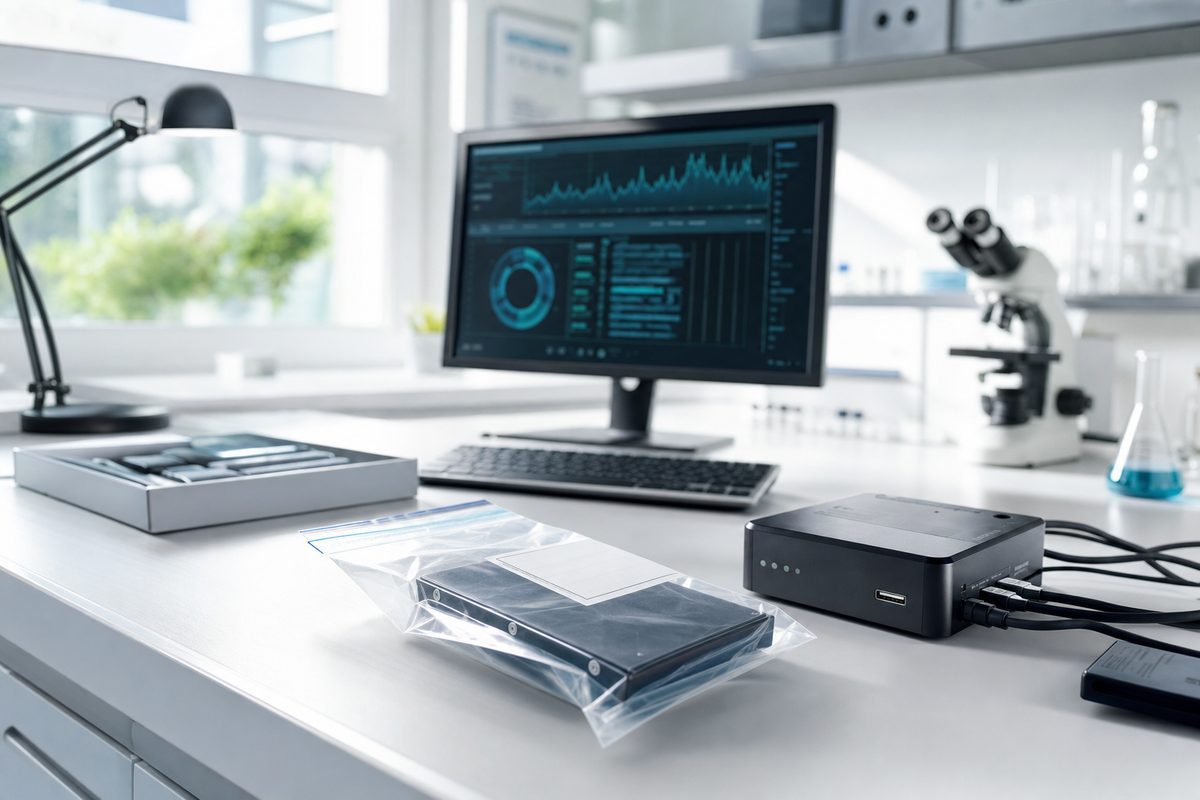
Trace cloud sharing and software-project access
For a San Francisco or Bay Area technology matter, proprietary information may be held in shared documents, code repositories and cloud applications as well as on a laptop. Identify the projects, accounts, application administrators and access changes surrounding the departure.
A useful source list connects each employee identity to the platforms used for work. GDF can correlate email, file versions, sharing events and available AI-use records with device activity. This helps counsel understand the path of the information across a distributed team.
Employee email theft and company-file transfers in San Francisco
Explore flat-rate employee exit Core Analysis or a broader trade-secret forensic examination for your matter.
For an executive departure or partner separation, discuss the business records, account authority and decisions the examination should support.
Can you examine a Bay Area departure involving cloud files and code?
Yes. We scope authorized cloud, repository, email and computer records around the project and time period in question, then correlate the activity and prepare understandable findings.
Evidence priorities in San Francisco and the Bay Area
San Francisco's economic-development material identifies business activity across the Financial District, south of Market and Mission Bay. For an organization operating across those areas or remotely, the location of a custodian is separate from the location and control of the evidence.
Scope the work to the matter
Repository and software evidence
A code dispute may depend on commit history, branches, release artifacts and access controls rather than a single source-file comparison. Preserve the relevant versions and record repository identity and export method. Explain whether a conclusion concerns similarity, access, authorship or deployment; those are different technical questions.
Cloud identity and collaboration
Collect available sign-in, administrative, sharing and messaging records within the authorized scope. Reconcile account identifiers and time zones before building a timeline. A display name is not a reliable identity key, and a successful login does not establish which person physically used an account.
Application and AI security boundaries
For a software or AI-enabled workflow, examine which users and services can access data or invoke tools. Testing should address authorization, tenant separation, retrieval permissions and logging within agreed boundaries. Model behavior alone is not a complete assessment of the surrounding implementation.
Services available through GDF
Use the technical service pages for methods, evidence sources and deliverables.
- Computer and hard drive forensics
- Mobile device forensics
- Email and cloud evidence
- Expert witness support
- Penetration testing
- Vulnerability assessments
- Application penetration testing
- Incident response
- eDiscovery collections
- Departing employee analysis
- Evidence-aware data recovery
- OT and SCADA security
- AI security consulting
Arrange an evidence or security consultation
For a San Francisco engagement, identify the tenants, repositories and devices involved, the administrators who can provide access and any accounts scheduled for closure. Explain whether the immediate need is preservation, an independent technical opinion or a scoped security test.
Frequently asked
Questions about San Francisco engagements
Can cloud records be collected without taking every device?
Sometimes. The right approach depends on the question and the records available from the provider. Local caches, downloads and device activity may still be important even when the business system is hosted.
Does a hash establish who created a file?
No. A cryptographic hash can help verify that the same bytes were retained. Authorship, access and timing require other evidence and an explanation of its reliability.
Before collecting evidence
For an active incident, call 1-800-868-8189.
Connect a repository event to its source
For a software or cloud dispute, identify the repository, commit or release range, branch relationships, account owners and cloud audit sources. Preserve available history before relying on a downloaded source folder as the complete project record.
An illustrative chronology can show a commit, repository permission change and artifact download on separate source rows. A commit author field is asserted metadata; a matching file hash does not prove authorship, intent or manual access.
- Confirm repository and tenant permissions, current export support and retention.
- Identify submodules, large-file stores, dependencies and generated files excluded from an export.
- Keep authorized model or code transmission separate from ordinary source collection.
- Agree the collection and secure handoff; label missing provider logs and history that cannot be reconstructed.
Talk with an examiner
Talk with the local team
Tell us where the people, devices or retaining team are located and the matter you need help with.
Since 1992 · 24/7 dispatch · Court-tested experts
Talk with an examiner
Discuss the matter and the next step.
Call to discuss timing, scope and the safest way to share information. Do not send evidence or credentials by email.
24/7 hotline: 1-800-868-8189