Edition November 18, 2026 New York drinking water and wastewater

New York Water Cybersecurity Toolkit

Know What Is Due. Know What to Do Next.

Your water system needs a clear work plan, records that stand up to review and people who know what they are responsible for. Use this toolkit to identify the New York requirements to examine, organize the evidence and give managers, operators and governing boards a practical next step.

Practical guidance for managers, operators and governing boards.

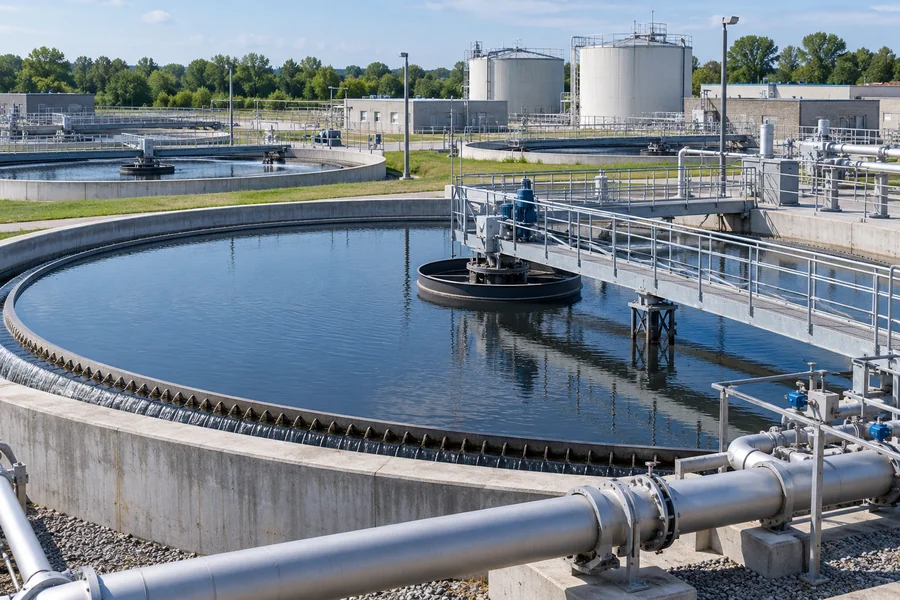
Illustrative water treatment infrastructure.

Start With Your System and Your Responsibilities

Identify the system and the responsible people

Use the first working session to establish what you operate, the legal owner, the relevant system or permit identifier and the person coordinating this work. Locate the public water system record or SPDES permit, the current assessment and plans, and the contact register. Record document versions and owners. An unanswered question stays visible until the appropriate person resolves it.

Choose the track from documented facts

Drinking water, wastewater and other utility duties have different coverage tests. Record population, service connections and design flow in their correct units. Use the requirement register to make a supported applicability decision, retaining the decision maker and date. If a fact is missing, mark the decision unresolved rather than excluding the duty. Keep PSC, DFS and private information reviews separate from the water tracks.

Leave the first hour with a useful work plan

Assign a coordinator, select the water track, identify the nearest duties and name the people who can provide the first records. Enter each missing record or decision beside its requirement identifier. Separate a legal deadline or event trigger from the team's proposed completion date. The first session should produce owners and next actions, even when the evidence is not yet complete.

Read the authority and the evidence differently

A binding rule states a duty. An incorporated document supplies provisions made applicable by that rule, in the specified edition. Agency guidance explains implementation; a recommended practice supports the assessment without becoming a duty merely because it appears in this toolkit. Facility evidence records what your system actually has or does. Keep these source types distinct and use the cited section to identify the criterion for each examination.

Use the same edition throughout the work

Read the guide online, print the PDF for a working session, or use the editable workbook and CSV to assign owners and track records. Retain the edition and requirement identifiers with completed work. Keep facility evidence in the location approved by your organization and enter references to those records in the work plan. Core files can be used without submitting a completed security worksheet.

Begin with existing records and authorized demonstrations. Technical testing, configuration changes and connections to operating systems require the plant's permission, an agreed method and the responsible operational personnel. Keep plant diagrams, credentials and detailed weaknesses in the organization's approved evidence store. Use the initial consultation request to describe the service and help needed, then arrange a suitable transfer method for sensitive material.

Choose Your Water Track

Keep your decisions in the editable work plan.

Download the Workbook

All tracks are shown. Establish applicability from your system facts before excluding a duty.

These choices filter the reading list. They do not decide which legal duties apply. Record your system facts and decisions in the editable workbook. No plant information is required to download it.

System facts to establish before you set the scope
FactWhere to confirm it
Service and legal ownerRecord drinking water, wastewater or both, the legal owner and the operational responsibility. A municipal label does not decide every regulatory track.
System or permit identifierUse the public water system identifier for drinking water and the SPDES permit for wastewater. Retain the source record and its date.
Drinking water populationRecord the population measure used by the cited duty. Keep the number of people separate from customer accounts and service connections. Mark an unknown value unresolved.
Combined wholesale and retail populationWhere a duty uses this measure, record its documented basis separately. Do not replace it with retail accounts or assume a missing wholesale population is zero.
Wastewater facility and flowRecord whether the facility is a publicly owned treatment works and its permitted design flow in million gallons per day. Retain the permit or other supporting record.
Coordinator and accountable officialName the person organizing the evidence and the official who owns decisions or filings. Record an alternate where the response process requires one.
Current plans and assessmentsLocate the current assessment, emergency response plan, cybersecurity incident response plan and contact register as relevant. Record versions, owners and missing records.
Applicability decisions still neededRecord the missing fact, its requirement identifier, who can resolve it and the next action. A pending decision remains visible in the work plan and leadership brief.
Community water cybersecurity controls

Community water system serving more than 3,300 people. Evaluate Appendix 5-E.2 exclusions against documented physical and logical connections. Municipal ownership alone is not an exclusion.

NYDOH-APP5E 5-E.1(a), 5-E.2

Additional duties above 50,000 people

Covered community water system with combined wholesale and retail population greater than 50,000. Do not substitute service connections or customer accounts for population.

NYDOH-APP5E 5-E.1(a), 5-E.4, 5-E.5(b), 5-E.6(b), 5-E.6(c)(2)(iv), 5-E.6(c)(6)

Covered water systems including isolated systems

Written incident response planning and qualifying incident reporting continue for covered systems using the no connection exclusion. Operator training also remains applicable under its own scope.

NYDOH-APP5E 5-E.1(a), 5-E.2(a), 5-E.8, 5-E.9

Certified drinking water operators

All drinking water operators certified under Subpart 5-4. Population and Appendix 5-E.2 exclusions do not remove this training duty.

NYDOH-APP5E 5-E.1(a), 5-E.7

All SPDES permittees

Cyber incident reporting applies to all SPDES permittees, including private facilities. Apply the defined incident criteria rather than assuming every security alert is a reportable incident.

NYDEC-750-2026 750-1.2(a)(27), 750-2.7(h)

Publicly owned treatment works

ERP and cybersecurity controls apply to POTWs of all sizes. Contracting operations does not transfer the municipality's responsibility for compliance.

NYDEC-750-2026 750-1.2(a)(78), 750-2.9(d) through (f)

Network monitoring at larger POTWs

Design flow at least 10 million gallons per day. The specific no connection and outward only device exceptions concern monitoring and logging, not the other POTW controls.

NYDEC-750-2026 750-2.9(e)(2)

Certified wastewater operators

Part 650 training requirements apply by operator grade and certification renewal period. January 1, 2027 is the expiration date threshold, not a universal course completion date for every operator.

NYDEC-650-2026 650.8, 650.12

Federal community water assessment and planning

Community drinking water systems serving more than 3,300 people, separately identified by PWSID. Wastewater systems do not become subject to these federal certification duties merely by using the toolkit.

USEPA-AWIA SDWA 1433

Give Every Task an Owner and a Clear Finish

A useful plan identifies the applicable duty, the person responsible, the evidence needed, the date that matters and the condition that would support closure. Begin with time sensitive reporting duties and required plans, then work through the detailed records. Keep a regulator's deadline separate from the date your team proposes to finish the work.

Agree on scope and operating authority

Confirm the systems, locations and period to be examined with the operational owner. Record the approved evidence method and any access limits. A consultant's technical recommendation still needs the utility's decision about staffing, operating windows and authority to proceed.

Assign work against a requirement

For each applicable requirement, record its identifier, why it applies, the work to complete, the accountable owner, evidence references, legal date or trigger, project target, current result and next action. Retain a supported exclusion with its reason and reviewer. An unresolved fact is not an exclusion.

Distinguish progress from verification

Use results that describe the evidence: Not examined, Evidence insufficient, Gap identified, Corrective work in progress, or Verified for the stated scope. Receiving a document or completing a template does not by itself verify a control. A corrected record or configuration needs a separate check before the finding is closed.

Prepare the next decision

Bring unresolved requirements, located records and decisions requiring approval to the assessment discussion. Identify who will authorize technical work and who will sign any applicable filing. Keep resources, operating approvals and evidence gaps explicit so the next meeting can resolve something concrete.

Get help with the gaps

Make the Operator's Next Step Clear

Provide reliable operating context and evidence without putting treatment at risk. Start with existing records and an authorized demonstration. Leave changes to equipment, access controls and live systems to the responsible technical team under the plant's approval process.

Confirm what the assessment covers

Compare the assessment scope with the current asset list, operational locations and approved system diagram. Ask the technical owner to explain a remote site, vendor access path or supporting service that does not appear in the assessment. Record the versions examined and the specific question still open. Useful evidence includes a dated asset register and scope cross reference. The task is complete when the reviewer can account for the selected population and explain its limits; unexplained omissions remain open.

Check the approved access route

Ask the technical owner to demonstrate the authorized remote access process using a safe account and the approved review method. Compare the observed route and authentication settings with the applicable criterion and approved procedure. Retain the access approval, configuration reference and observation record, including who demonstrated the process and when. Do not attempt a new connection to a controller or change an access rule through this worksheet. State which route was examined and which conditions were not examined.

Make the response plan usable

Locate the approved plan, controlled copy and contact register. Confirm roles with the responsible people. An internal discussion exercise can walk through a clearly fictional event and expose unclear decisions or missing information. Record the plan version, contact verification, exercise notes and assigned corrections. Keep this recommended exercise separate from an actual incident or filing. Check the revised plan again before closing a finding.

Retain evidence that another person can follow

Give each record an identifier and retain its owner, version, date and relevant system or location. Describe observations precisely and record any condition not examined. Keep detailed network information and security weaknesses in the approved evidence store. The working register needs the reference and result, not a copied password or an uncontrolled plant diagram.

Get help with the gaps

Give the Board a Decision It Can Act On

Commissioners and governing officials need to understand the effect on service, the work that has been verified and the decisions still required. A technical finding list should lead to a clear account of the unresolved duties, accountable people and resources needed.

Ask what the evidence supports

The brief should state the applicable duty, the scope examined, the evidence supported result and important limitations. Separate facts, professional judgments and unresolved questions. Keep sensitive configurations and detailed weaknesses in a controlled appendix.

Identify the decision and its authority

For each decision, show the service or operating consequence, requested action, accountable official, resources or operating approval needed, deadline and its basis. The technical report's preparer does not automatically become the official authorized to sign a regulatory filing.

Retain the decision and follow the correction

Record the board or delegated official's decision, its date and any conditions. Name the person who will verify the corrective work and identify the record that will demonstrate completion. A progress update should distinguish work performed from work independently checked within the stated scope.

Get help with the gaps

Follow the Work From Requirement to Verified Result

01

Establish applicability

Record the system facts, cited rule, decision, unresolved questions and responsible reviewer.

02

Gather evidence

Retain the record owner, document or observation reference, version, date and relevant population.

03

Examine the control

State the criterion, safe procedure, selected scope, actual observation and limitations.

04

Document the result

Explain the supported result, missing evidence or gap and its significance. An evidence reference must lead to a specific record.

05

Approve corrective work

Record the approved action, accountable owner, deadline, resources and operating constraints.

06

Verify the correction

Check what changed, retain the resulting evidence and state any remaining scope limits before closing the finding.

07

Brief leadership

Present the decisions needed, responsible authority and retained decision record.

08

Maintain the duty

Assign the recurring date or change trigger, record owner and next review. Revisit affected work when the authority or facility changes.

Find the Duty, Evidence and Test

Each record names its scope, timing, source, evidence and examination method. Open the details you need. The workbook carries these same identifiers and adds fields for your decisions, responsible people and results.

Requirement text paraphrases the cited authority. Evidence requests, examination steps and acceptance descriptions are GDF planning methods, not regulator approval. Unknown scope or unexamined evidence stays unresolved. A completed worksheet does not certify compliance.

72 review records in this edition, including separately labeled recommended practice.

Record the water system scopeNY-DW-SCOPE · drinking-water · Requirement

NYDOH-APP5E 5-E.1(a); 5-E.2

Applies when
Community water systems serving more than 3,300 people; separate operator training scope.
What to do
Determine coverage and any supported exclusion. The no connection exclusion retains incident response planning and incident reporting. Excluded municipal billing or other IT must not affect Subpart compliance.
When
Before selecting duties; reassess when population, system boundaries or connectivity changes.
Responsible role
System owner with the responsible technical reviewer
Evidence to retain
PWSID, population basis, network diagram, connection inventory and signed scope decision.
How to examine it safely
Compare drawings with approved configuration records and interview the operator about vendor and remote paths.
How to judge the result
Each selected or excluded duty has a supported scope decision; unknown connections remain unresolved.
Next review or recurring duty
On material scope or connection changes; review with the CVA.
Designate a qualified cybersecurity leadNY-DW-PERSONNEL · drinking-water · Requirement

NYDOH-APP5E 5-E.4(a)

Applies when
Covered systems serving a combined wholesale and retail population greater than 50,000, subject to applicable exclusions.
What to do
The owner designates the responsible individual based on demonstrable cybersecurity knowledge and practical system protection or risk management experience. The rule does not require a named professional certification.
When
By January 1, 2027 and while this scope applies.
Responsible role
System owner
Evidence to retain
Designation, qualification basis, duties and current contact details.
How to examine it safely
Read the designation and compare documented experience with responsibility for the system's program.
How to judge the result
An owner designated, qualified individual is responsible for the program.
Next review or recurring duty
On role or personnel changes.
Put the cybersecurity lead in the emergency planNY-DW-LEAD-CONTACT · drinking-water · Requirement

NYDOH-APP5E 5-E.4(a)(1)

Applies when
Covered systems with combined wholesale and retail population greater than 50,000, subject to applicable exclusions.
What to do
Include the designated individual's name and contact information in the water supply emergency plan.
When
By January 1, 2027; keep current.
Responsible role
Emergency plan owner
Evidence to retain
Current controlled emergency plan and contact verification record.
How to examine it safely
Compare the designation with the plan and verify contact details without making an emergency report.
How to judge the result
The current designated individual can be identified and reached from the plan.
Next review or recurring duty
On personnel or contact changes.
Report program risks to the governing bodyNY-DW-BOARD-REPORT · drinking-water · Requirement

NYDOH-APP5E 5-E.4(a)(2)

Applies when
Covered systems with combined wholesale and retail population greater than 50,000, subject to applicable exclusions.
What to do
The designated individual provides a confidential written report on the cybersecurity program and material risks to the governing body at least annually.
When
At least annually after the January 1, 2027 compliance date.
Responsible role
Designated cybersecurity lead
Evidence to retain
Dated report, controlled distribution record and governing body receipt.
How to examine it safely
Confirm the report covers the program and material risks and was delivered to the correct governing body.
How to judge the result
A timely confidential report has a documented recipient and evidence supported conclusions.
Next review or recurring duty
At least annually.
Complete the CVA and carry findings into the planNY-DW-CVA-PLAN · drinking-water · Requirement

NYDOH-APP5E 5-E.1(c)(1); 5-E.5(a)

Applies when
Covered water systems subject to the CVA provisions.
What to do
Prepare and submit a cybersecurity vulnerability analysis and incorporate its findings into the water system emergency plan submitted to the State.
When
By January 1, 2027; then follow review and submission triggers.
Responsible role
Authorized system representative and assessment lead
Evidence to retain
CVA edition, emergency plan cross references and State submission receipt.
How to examine it safely
Trace selected material findings from the CVA into the submitted emergency plan.
How to judge the result
The CVA exists, was submitted, and its findings inform the emergency plan.
Next review or recurring duty
With updated CVA findings and plan submissions.
Obtain the correct CVA approvalNY-DW-CVA-APPROVAL · drinking-water · Requirement

NYDOH-APP5E 5-E.5(b)

Applies when
Covered water systems subject to CVA provisions.
What to do
An authorized representative approves the CVA. Above 50,000 combined wholesale and retail population, the designated cybersecurity lead approves it.
When
When the CVA is completed or revised for approval.
Responsible role
Authorized representative or designated cybersecurity lead
Evidence to retain
Approval date, approver identity, authority and CVA version.
How to examine it safely
Compare the recorded population and designation with the CVA approval record.
How to judge the result
The correct authorized person approved the identifiable CVA edition.
Next review or recurring duty
Each CVA approval.
Assess risk to operations and protected informationNY-DW-CVA-RISK · drinking-water · Requirement

NYDOH-APP5E 5-E.5(c)

Applies when
Relevant IT, OT and nonpublic information that may affect Subpart compliance.
What to do
Assess known vulnerabilities using likelihood of exploitation and consequences for normal operations.
When
By January 1, 2027 and during CVA review.
Responsible role
Assessment lead with plant operations
Evidence to retain
Asset and information scope, vulnerability register, likelihood and operational consequence rationale.
How to examine it safely
Trace representative treatment and support dependencies into the risk analysis using records and interviews.
How to judge the result
Relevant vulnerabilities have supported likelihood and consequence assessments; missing evidence is visible.
Next review or recurring duty
During CVA review and material changes.
Evaluate controls across the water systemNY-DW-CVA-CONTROLS · drinking-water · Requirement

NYDOH-APP5E 5-E.5(d)

Applies when
Controls associated with supply, treatment, disinfection, pipes and valves, storage and operations management.
What to do
Evaluate control effectiveness for maintaining Subpart compliance during a water supply emergency caused by a cyber incident.
When
By January 1, 2027 and during CVA review.
Responsible role
Assessment lead and operations owner
Evidence to retain
Control tests, sample basis, observed results and unexamined dependencies.
How to examine it safely
Review approved records and safe demonstrations; agree operational limits before any live test.
How to judge the result
The analysis evaluates effectiveness across relevant functions rather than only listing policies.
Next review or recurring duty
During CVA review.
Report qualifying CVA vulnerabilitiesNY-DW-VULN-NOTICE · drinking-water · Requirement

NYDOH-APP5E 5-E.1(c)(2); 5-E.5(e)

Applies when
CVA vulnerabilities that may affect Subpart compliance, or a situation that may pose a public health risk.
What to do
Report qualifying vulnerabilities or situations to NYSDOH in accordance with section 5-1.77.
When
Within 48 hours of identification of the qualifying vulnerability or situation.
Responsible role
Authorized reporting lead with the operator
Evidence to retain
Identification time and timezone, criteria decision, submitted report and receipt.
How to examine it safely
Trace the recorded trigger to the reporting deadline and evidence of delivery.
How to judge the result
The qualifying trigger is preserved and the required report is timely; an ordinary security finding is not automatically assigned this clock.
Next review or recurring duty
Each qualifying identification.
Keep the CVA currentNY-DW-CVA-REVIEW · drinking-water · Requirement

NYDOH-APP5E 5-E.1(c)(1); 5-E.5(f)

Applies when
Covered systems subject to CVA provisions.
What to do
Review and update the CVA for technology developments and evolving threats, including after major water facility infrastructure becomes operational.
When
At least annually and within 30 days after major infrastructure changes become operational.
Responsible role
CVA owner and change manager
Evidence to retain
Review history, change commissioning dates, updated CVA and approval.
How to examine it safely
Compare the last review and major operational changes with recorded CVA updates.
How to judge the result
Both the annual and change driven deadlines are met and their results are documented.
Next review or recurring duty
Annual and each qualifying infrastructure change.
Identify action for each vulnerabilityNY-DW-CVA-ACTIONS · drinking-water · Requirement

NYDOH-APP5E 5-E.5(g)

Applies when
Vulnerabilities identified by the CVA.
What to do
Identify the actions needed to mitigate or remediate the vulnerabilities.
When
During completion and review of the CVA.
Responsible role
CVA owner and assigned action owners
Evidence to retain
Finding IDs, proposed actions, operational dependencies and assigned responsibility.
How to examine it safely
Follow each identified vulnerability to a specified action or documented unresolved decision.
How to judge the result
The CVA states what action is needed for the identified vulnerabilities.
Next review or recurring duty
When a vulnerability or its treatment changes.
Use the department approved CVA formNY-DW-CVA-FORM · drinking-water · Requirement

NYDOH-APP5E 5-E.5(h)

Applies when
Covered systems subject to CVA provisions.
What to do
Prepare the CVA in a form approved by NYSDOH. The GDF worksheets organize supporting work and do not replace that approved form.
When
Before submission.
Responsible role
CVA owner
Evidence to retain
Approved form version or written department approval and submitted CVA.
How to examine it safely
Compare the form used with the department's current approved submission instructions.
How to judge the result
The submission format has department approval.
Next review or recurring duty
Each submission and form change.
Build the program from the CVA findingsNY-DW-PROGRAM · drinking-water · Requirement

NYDOH-APP5E 5-E.6(a)

Applies when
Covered systems subject to cybersecurity program provisions.
What to do
Establish a cybersecurity program based on the findings of the system's CVA.
When
By January 1, 2027 and maintained as risks change.
Responsible role
System owner and program lead
Evidence to retain
Program edition, CVA mapping, procedures and allocated responsibilities.
How to examine it safely
Trace material CVA findings into program decisions and work assignments.
How to judge the result
The program addresses the system's actual CVA findings.
Next review or recurring duty
When CVA findings or program design changes.
Certify the program through the required submissionNY-DW-PROGRAM-CERT · drinking-water · Requirement

NYDOH-APP5E 5-E.6(b)

Applies when
Covered systems serving more than 50,000 combined wholesale and retail population, subject to applicable exclusions.
What to do
The designated lead certifies compliance with 5-E.6(c) on a department approved form as part of the water system emergency plan submission. This is a program certification, not a professional credential.
When
As part of the plan submission required by 5-1.33(e).
Responsible role
Designated cybersecurity lead
Evidence to retain
Approved form, supported certification, signatory and submission receipt.
How to examine it safely
Trace certification statements to the program's supporting evidence and the correct signer.
How to judge the result
The required signed form accompanies the submission and does not claim unsupported compliance.
Next review or recurring duty
With required emergency plan submissions.
Maintain separate reporting dutiesNY-DW-REPORTING-PROGRAM · drinking-water · Requirement

NYDOH-APP5E 5-E.6(c)(1); 5-E.9

Applies when
Applicable statutory and regulatory reporting obligations.
What to do
Make reporting part of the cybersecurity program and preserve other required notices alongside the DOH cyber incident notice.
When
By January 1, 2027; incident reporting is already effective.
Responsible role
Reporting lead and legal or compliance owner
Evidence to retain
Notification register with separate authority, trigger, recipient and receipt fields.
How to examine it safely
Walk through an exercise without transmitting and confirm that one notice does not close another authority's task.
How to judge the result
The program can identify and execute each applicable notice separately.
Next review or recurring duty
On rule, contact or incident changes.
Protect external access to operational technologyNY-DW-MFA · drinking-water · Requirement

NYDOH-APP5E 5-E.6(c)(2)(i)

Applies when
Individuals accessing covered OT from an external network.
What to do
Require multifactor authentication unless the authorized representative or designated cybersecurity lead approves compensating controls in writing.
When
By January 1, 2027 and for each access route.
Responsible role
Technical access owner and authorized approver
Evidence to retain
Remote route inventory, authentication configuration and written compensating control approvals.
How to examine it safely
Inspect configuration and an authorized demonstration; do not attempt unauthorized access or change plant operation.
How to judge the result
Every reviewed external route enforces MFA or has the specified written approval and implemented compensating controls.
Next review or recurring duty
On access or control changes; include in CVA review.
Limit access to assigned workNY-DW-LEAST-PRIVILEGE · drinking-water · Requirement

NYDOH-APP5E 5-E.6(c)(2)(ii)

Applies when
User access to OT and nonpublic information.
What to do
Restrict privileges to those needed for the user's assigned tasks.
When
By January 1, 2027 and when access is granted or changed.
Responsible role
Access owner and user's manager
Evidence to retain
Role definitions, access approvals and effective permission records.
How to examine it safely
Compare sampled user permissions with documented duties and approvals.
How to judge the result
Sampled privileges match assigned work; unexplained access becomes a finding.
Next review or recurring duty
On role changes and access reviews.
Separate OT and IT user accountsNY-DW-ACCOUNT-SEPARATION · drinking-water · Requirement

NYDOH-APP5E 5-E.6(c)(2)(iii)

Applies when
User accounts authorized for OT and IT.
What to do
Separate accounts authorized to access OT from accounts authorized to access IT.
When
By January 1, 2027 and during account administration.
Responsible role
Identity and access administrator
Evidence to retain
Account directories, role mappings and access architecture.
How to examine it safely
Compare approved account identities and authorizations across the OT and IT boundary.
How to judge the result
Separate accounts are used for the respective environments.
Next review or recurring duty
On identity design and account changes.
Give OT users unique credentialsNY-DW-UNIQUE-CREDENTIALS · drinking-water · Requirement

NYDOH-APP5E 5-E.6(c)(2)(iv)

Applies when
OT capable of supporting unique user credentials; compensating controls for incapable OT.
What to do
Use unique credentials where supported. Implement compensating controls where not supported; above 50,000 combined population, the designated lead documents those controls in writing.
When
By January 1, 2027 and when equipment or access changes.
Responsible role
OT access owner and designated lead where applicable
Evidence to retain
Capability evidence, account inventory, compensating control records and required written documentation.
How to examine it safely
Inspect account settings and vendor capability documentation without exposing passwords.
How to judge the result
Unique accounts exist where supported and required compensating controls are implemented and documented.
Next review or recurring duty
On equipment and user changes.
Review access at least annuallyNY-DW-ACCESS-REVIEW · drinking-water · Requirement

NYDOH-APP5E 5-E.6(c)(2)(v)

Applies when
All user access privileges within the covered program.
What to do
Review privileges and remove or disable accounts and access no longer needed for the user's job.
When
At least annually.
Responsible role
Access owner and managers
Evidence to retain
Complete account population, dated review, decisions and completed removals.
How to examine it safely
Compare the review population with active accounts and trace removal decisions to completion.
How to judge the result
The annual review covers the relevant population and unnecessary access is removed or disabled.
Next review or recurring duty
At least annually.
Remove access immediately when it is no longer neededNY-DW-LEAVER-ACCESS · drinking-water · Requirement

NYDOH-APP5E 5-E.6(c)(2)(v)

Applies when
Departing users and users whose changed role no longer requires access.
What to do
Immediately terminate unnecessary account access. Change shared credentials immediately or implement compensating controls that prevent the former user's unauthorized OT access.
When
Immediately following the departure or relevant role change.
Responsible role
Personnel notifier and access administrator
Evidence to retain
Event time, access removal records and shared credential control record.
How to examine it safely
Trace sampled departure and role changes to the effective removal of each access path.
How to judge the result
No unaddressed route remains solely because it uses shared credentials.
Next review or recurring duty
Each departure or qualifying role change.
Disable unnecessary remote accessNY-DW-REMOTE-NEED · drinking-water · Requirement

NYDOH-APP5E 5-E.6(c)(2)(vi)

Applies when
Remote access to covered OT.
What to do
Disable remote access that is unnecessary for monitoring or operating the system.
When
By January 1, 2027 and when need ends.
Responsible role
OT owner
Evidence to retain
Remote path inventory, operational justification and disabled access records.
How to examine it safely
Compare enabled paths with approved operational needs using configuration review.
How to judge the result
Each enabled path has a monitoring or operating need.
Next review or recurring duty
On vendor, network and operational changes.
Limit remote functionsNY-DW-REMOTE-FUNCTION · drinking-water · Requirement

NYDOH-APP5E 5-E.6(c)(2)(vii)

Applies when
Allowed remote access to covered OT.
What to do
Limit remote functionality to what is necessary to monitor or operate the system.
When
By January 1, 2027 and on configuration changes.
Responsible role
OT access owner
Evidence to retain
Remote role settings, approved functions and restrictions.
How to examine it safely
Inspect whether sampled remote accounts can perform functions beyond their documented need.
How to judge the result
Enabled remote functions match the necessary monitoring or operating work.
Next review or recurring duty
On remote role and configuration changes.
Secure remote access protocolsNY-DW-REMOTE-CONFIG · drinking-water · Requirement

NYDOH-APP5E 5-E.6(c)(2)(viii)

Applies when
Protocols permitting remote access to OT or nonpublic information.
What to do
Securely configure the protocols that permit remote access.
When
By January 1, 2027 and throughout operation.
Responsible role
Technical access owner
Evidence to retain
Protocol inventory, approved configuration basis and configuration records.
How to examine it safely
Compare approved settings with read only configuration evidence and record unexplained deviations.
How to judge the result
A supported security configuration is implemented for each reviewed protocol.
Next review or recurring duty
On protocol, vendor or configuration changes.
Remove default OT passwordsNY-DW-DEFAULT-PASSWORDS · drinking-water · Requirement

NYDOH-APP5E 5-E.6(c)(2)(ix)

Applies when
All covered OT, including equipment with technically unchangeable passwords.
What to do
Disallow default passwords. Where technology cannot change them, implement compensating controls.
When
By January 1, 2027 and when equipment enters service.
Responsible role
OT equipment owner
Evidence to retain
Configuration attestation, vendor capability record and compensating control evidence.
How to examine it safely
Review records and authorized demonstrations without recording actual passwords.
How to judge the result
Defaults are removed or technically unavoidable defaults have implemented compensating controls.
Next review or recurring duty
On installation, reset and equipment changes.
Maintain the cyber asset inventoryNY-DW-INVENTORY · drinking-water · Requirement

NYDOH-APP5E 5-E.3(c); 5-E.6(c)(3)

Applies when
OT reachable by management, control or communications protocols and IT physically or logically connected to OT.
What to do
Maintain an inventory covering the defined cyber assets.
When
By January 1, 2027 and maintained thereafter.
Responsible role
OT asset owner with IT support
Evidence to retain
Asset inventory, system boundaries, owners and connection records.
How to examine it safely
Reconcile approved drawings, procurement and maintenance records with representative assets; no unsolicited scanning.
How to judge the result
The inventory covers the defined asset population, including relevant legacy and third party equipment.
Next review or recurring duty
When assets or connections change.
Protect OT and nonpublic informationNY-DW-DEFENSIVE-ARCHITECTURE · drinking-water · Requirement

NYDOH-APP5E 5-E.6(c)(4)

Applies when
Covered OT and nonpublic information.
What to do
Use defensive architecture, controls, compensating controls, policies and procedures against unauthorized disclosure, alteration or destruction.
When
By January 1, 2027 and maintained thereafter.
Responsible role
Technical security owner and operations owner
Evidence to retain
Architecture, control design, approved rules and supporting effectiveness records.
How to examine it safely
Trace selected critical dependencies through documented boundaries and authorized control evidence.
How to judge the result
Protection measures address confidentiality, integrity and availability for the relevant assets and information.
Next review or recurring duty
With architecture changes and CVA reviews.
Assess internal and external threatsNY-DW-ONGOING-RISK · drinking-water · Requirement

NYDOH-APP5E 5-E.6(c)(5)

Applies when
OT and nonpublic information relevant to Subpart compliance.
What to do
Identify and assess internal and external cybersecurity risks that may threaten the system's ability to comply.
When
By January 1, 2027 and as risks change.
Responsible role
Program lead and operations owner
Evidence to retain
Risk register, threat inputs, dependencies and decisions.
How to examine it safely
Check whether vendor, insider, remote access and external exposure are considered where relevant.
How to judge the result
The program considers relevant internal and external risks, with unsupported areas left open.
Next review or recurring duty
With new risks and CVA reviews.
Monitor and retain useful network logsNY-DW-LOGGING · drinking-water · Requirement

NYDOH-APP5E 5-E.6(c)(6)

Applies when
Covered systems above 50,000 combined wholesale and retail population. Apply the specific outward only device exception and relevant 5-E.2 exclusion using evidence.
What to do
Monitor and log network activity and be prepared to produce the logs for examination after a cyber incident.
When
By January 1, 2027 and maintained thereafter.
Responsible role
Network monitoring owner
Evidence to retain
Logging scope, retained sample, access controls and any supported exception decision.
How to examine it safely
Inspect logs and retrieval capability through a safe demonstration; verify device capability before relying on an outward only exception.
How to judge the result
Required activity is monitored and logs are retrievable, or a supported specific exception is recorded.
Next review or recurring duty
On network changes and program review.
Respond with operations and safety in viewNY-DW-RESPONSE · drinking-water · Requirement

NYDOH-APP5E 5-E.6(c)(7)

Applies when
Cybersecurity incidents affecting the covered system.
What to do
Respond to reduce disruption, address compliance impacts and limit physical or structural damage.
When
When responding to a cyber incident; prepare capability by January 1, 2027.
Responsible role
Incident lead and operating authority
Evidence to retain
Response procedures, operating decisions and incident or exercise records.
How to examine it safely
Use a discussion exercise to trace response authority and operational dependencies without changing live controls.
How to judge the result
Response decisions account for service, regulatory and physical consequences.
Next review or recurring duty
After incidents and material plan changes.
Restore safe operations and servicesNY-DW-RECOVERY · drinking-water · Requirement

NYDOH-APP5E 5-E.6(c)(8)

Applies when
Covered system recovery following cyber incidents.
What to do
Recover from cybersecurity incidents and restore normal operations and services.
When
Prepare capability by January 1, 2027 and use it when needed.
Responsible role
Recovery lead and operating authority
Evidence to retain
Recovery dependencies, approved restoration steps and verification records.
How to examine it safely
Review an isolated restore demonstration or existing approved evidence; confirm the operator authorizes return to service.
How to judge the result
The recovery approach can restore needed services with verification of the operating state.
Next review or recurring duty
With recovery changes and after incidents.
Complete approved operator cyber trainingNY-DW-TRAINING · drinking-water · Requirement

NYDOH-APP5E 5-E.1(a) and (b); 5-E.7

Applies when
All drinking water operators certified under Subpart 5-4, independent of system population or isolation.
What to do
Complete at least one hour of cybersecurity training using a curriculum approved by NYSDOH every three years.
When
Already effective upon adoption; confirm each operator's applicable training period.
Responsible role
Certified operator and training coordinator
Evidence to retain
Operator certification, approved course record, attendance and next training date.
How to examine it safely
Compare the course approval and completed hours with the operator's training period.
How to judge the result
The operator has the required approved cybersecurity training within the applicable three year period.
Next review or recurring duty
Every three years.
Write the cyber incident response planNY-DW-IRP · drinking-water · Requirement

NYDOH-APP5E 5-E.8; 5-E.2(a)

Applies when
All covered water systems, including systems using the no connection exclusion.
What to do
Establish a written plan describing tasks during and after a cyber incident to maintain or restore Subpart compliance, consistent with 5-1.33(b)(6).
When
By January 1, 2027 and kept current.
Responsible role
Emergency plan owner and operating authority
Evidence to retain
Controlled plan, notification roster, operating tasks and corrective follow up.
How to examine it safely
Walk a fictional incident through roles, communications and restoration tasks without sending messages.
How to judge the result
The written plan gives responsible personnel an executable sequence for maintaining or restoring compliance.
Next review or recurring duty
With plan and operational changes.
Notify DOH of a qualifying cyber incidentNY-DW-INCIDENT-NOTICE · drinking-water · Requirement

NYDOH-APP5E 5-E.3(e); 5-E.9

Applies when
A defined cybersecurity incident that has created or may create a public health hazard, including at otherwise excluded covered systems.
What to do
Notify NYSDOH using the prescribed 5-1.77(a) process. Preserve separate State and federal notification obligations.
When
As soon as possible, no later than 24 hours after determining that the qualifying incident occurred. Already effective upon adoption.
Responsible role
Authorized reporting lead with operating authority
Evidence to retain
Event chronology, determination basis and time, report and delivery receipt.
How to examine it safely
Compare the recorded determination with the reporting time; do not substitute detection alone for the defined trigger.
How to judge the result
The qualifying incident is reported on time through the prescribed process and parallel duties remain tracked.
Next review or recurring duty
Each qualifying incident.
Consult after a State deficiency noticeNY-DW-DEFICIENCY-CONSULT · drinking-water · Requirement

NYDOH-SUBPART51 5-1.71(c); Appendix 5-E.1(d)

Applies when
State notification that a significant deficiency exists; section 5-1.71 also has broader public water system application.
What to do
Consult with the State regarding corrective action after receiving its significant deficiency notice.
When
Within 30 days of the State notification.
Responsible role
Supplier of water and authorized compliance representative
Evidence to retain
State notice, receipt date, consultation record and agreed actions.
How to examine it safely
Trace the dated State notice to documented consultation.
How to judge the result
Consultation occurred within the required period and any earlier State direction is recorded.
Next review or recurring duty
Each State significant deficiency notification.
Correct the deficiency or comply with its action planNY-DW-DEFICIENCY-CORRECT · drinking-water · Requirement

NYDOH-SUBPART51 5-1.71(c) and (d); Appendix 5-E.1(d)

Applies when
State notified significant deficiency and any applicable public health hazard.
What to do
Correct the deficiency or comply with a corrective action plan specifying needed changes. Public health hazards require State directed or approved action and Tier 1 notification; failure to correct or begin correction as required can be a treatment technique violation.
When
Within 120 days of the State notice, or earlier when the State requires action to protect public health. Follow the actual State direction and plan.
Responsible role
Supplier of water and corrective action owner
Evidence to retain
State notice, action plan, milestones, completion evidence and State correspondence.
How to examine it safely
Compare the notice and required schedule with demonstrated progress and completed corrections.
How to judge the result
The deficiency is corrected or the system is in compliance with the applicable action plan; opening a work ticket alone is insufficient.
Next review or recurring duty
Through required correction and verification.
Keep State emergency plan submissions currentNY-DW-ERP-RECURRENCE · drinking-water · Requirement

NYDOH-SUBPART51 5-1.33(e)

Applies when
Community water systems supplying more than 3,300 people; other systems may be directed to prepare a plan under 5-1.33(f).
What to do
Keep the emergency plan current, submit it for State review and supply updated communication and notification information.
When
Plan review submission at least every five years and within 30 days after major infrastructure changes have been made; contact information to the State by December 31 each year.
Responsible role
Emergency plan owner
Evidence to retain
Plan versions, State receipts, major change dates and annual contact submission.
How to examine it safely
Reconcile plan submissions with the five year cycle, changes and annual contact update.
How to judge the result
Each separate submission and update trigger is tracked and met.
Next review or recurring duty
Five year, change driven and annual duties remain separate.
Handle plan comment and protected information correctlyNY-DW-ERP-PUBLIC-REVIEW · drinking-water · Requirement

NYDOH-SUBPART51 5-1.33(d) and (h); Appendix 5-E.10

Applies when
Required emergency plan public review and submitted information.
What to do
Before final plan submission, publish the required local notice in two successive weeks and accept comments for at least 14 days after first publication. Submit comments with the plan. Determine and handle security risk information under the applicable disclosure provisions.
When
Before final emergency plan submission.
Responsible role
System owner with counsel or records officer
Evidence to retain
Publication record, comment period, comments and protected information determination.
How to examine it safely
Check the publication dates and comment record; verify sensitive technical details were handled under the correct authority.
How to judge the result
Public review requirements and documented security protections are both addressed; confidentiality is not assumed for every record.
Next review or recurring duty
Before relevant final submissions.
Separate permit reporting from POTW controlsNY-WW-SCOPE · wastewater · Requirement

NYDEC-750-2026 750-1.2(a)(27), (78), (94); 750-2.7(h); 750-2.9(d) through (f)

Applies when
All SPDES permittees for reporting; POTWs for the additional plans and controls.
What to do
Identify the permittee, permit, POTW status, design flow and systems holding SPDES program data before selecting obligations.
When
Before planning and when permit or ownership facts change.
Responsible role
Legally responsible party and permit coordinator
Evidence to retain
SPDES permit, ownership record, design flow basis and data system inventory.
How to examine it safely
Compare the facility profile with the permit and adopted definitions.
How to judge the result
Private permittees retain reporting duties and small POTWs retain plans and controls; no drinking water threshold is substituted.
Next review or recurring duty
On permit, ownership or design changes.
Report a wastewater cyber incident promptlyNY-WW-NOTIFY-ORAL · wastewater · Requirement

NYDEC-750-2026 750-1.2(a)(27); 750-2.7(h)(1)

Implementation guidance: NYDEC-IMPLEMENTATION

Applies when
All SPDES permittees when a defined cybersecurity incident occurs.
What to do
Report orally to the regional water engineer. Current DEC instructions also require the initial online incident form followed immediately by oral notification; use the regional contact or DEC Dispatch if the regional contact cannot be reached.
When
As soon as possible, no later than 24 hours from permittee awareness. Effective March 26, 2026.
Responsible role
Permittee's reporting lead
Evidence to retain
Awareness time and timezone, initial facts, online receipt, call record and recipient.
How to examine it safely
Trace the defined incident and awareness time to both the initial filing and oral notification record.
How to judge the result
The notice uses known facts without waiting for a complete examination and meets the oral reporting deadline.
Next review or recurring duty
Each qualifying incident.
Complete the written wastewater incident reportNY-WW-NOTIFY-WRITTEN · wastewater · Requirement

NYDEC-750-2026 750-2.7(h)(2)

Implementation guidance: NYDEC-IMPLEMENTATION

Applies when
All SPDES permittees after a defined cybersecurity incident.
What to do
Provide the written report with discovery time and person, incident description, affected IT or OT, actual or expected disruption and duration, data or physical loss and remediation or mitigation measures. Use DEC's current online process.
When
Within 30 days from permittee awareness of the incident.
Responsible role
Permittee's reporting lead
Evidence to retain
Eight required subject areas, supporting facts, approved report version and submission receipt.
How to examine it safely
Check the report against each statutory information category and the awareness based deadline.
How to judge the result
The written report covers every required category and is submitted on time.
Next review or recurring duty
Each qualifying incident.
Keep other incident notices openNY-WW-PARALLEL-NOTICES · wastewater · Requirement

NYDEC-750-2026 750-2.7(h)(3)

Applies when
Other reporting and notification duties applicable under 750-2.7 and the permit.
What to do
Complete other applicable reporting duties alongside the cyber incident reports. Review permit conditions and separate sewage, spill and municipal cyber reporting duties with the responsible specialist.
When
Each applicable authority's own trigger and deadline.
Responsible role
Permit coordinator and reporting lead
Evidence to retain
Parallel notice register, scope decisions and receipts.
How to examine it safely
Check whether a cyber incident with operational or discharge effects has been screened for other notices.
How to judge the result
The cyber report is not treated as satisfying every other reporting duty.
Next review or recurring duty
Each incident and permit or rule change.
Establish the wastewater emergency planNY-WW-ERP · wastewater · Requirement

NYDEC-750-2026 750-2.9(d)(1)

Applies when
All POTWs.
What to do
Establish, maintain and implement a written ERP. A plan existing before March 11, 2027 may qualify if it covers preparation and response strategies, resources and procedures plus responsible titles and contacts. Otherwise use the incorporated EPA template.
When
By March 11, 2027 and maintained thereafter.
Responsible role
POTW operating authority and emergency plan owner
Evidence to retain
Dated plan, eligibility decision for existing plan or template basis, roles and resources.
How to examine it safely
Trace the required plan elements to actual site procedures, contacts and resource availability.
How to judge the result
A qualifying written plan is established, maintained and implemented.
Next review or recurring duty
Maintain continuously and update when required.
Incorporated documents and sections
sourceId: IBR-EPA-WWERP-2021 locator: Introduction and facility planning sections
Update changed emergency contactsNY-WW-ERP-CONTACT · wastewater · Requirement

NYDEC-750-2026 750-2.9(d)(2)

Applies when
Titles and contact information in the POTW emergency plan.
What to do
Update the emergency plan after its responsible titles or contact details change.
When
Within 30 days of the change.
Responsible role
Emergency plan owner
Evidence to retain
Change date, revised plan, distribution record and current roster.
How to examine it safely
Compare recent personnel and contact changes with the controlled plan and its distributed copies.
How to judge the result
Changed titles and contacts are corrected within 30 days.
Next review or recurring duty
Each title or contact change.
Keep secure printed plans on and off siteNY-WW-ERP-COPIES · wastewater · Requirement

NYDEC-750-2026 750-2.9(d)(3)

Applies when
POTW emergency plan including its incorporated cyber plan.
What to do
Keep printed ERP copies in secure locations on and off the premises, accessible only to appropriate people under the access rules.
When
By March 11, 2027 and maintained thereafter.
Responsible role
Emergency plan custodian
Evidence to retain
Copy register, version dates, location and authorized access record.
How to examine it safely
Have the custodian demonstrate retrieval of current copies without publishing their sensitive contents.
How to judge the result
Current printed copies exist in both required locations with controlled access.
Next review or recurring duty
On plan revision or custody changes.
Incorporated documents and sections
sourceId: IBR-NIST-80082R3 locator: Page 114; response plan availability sourceId: IBR-EPA-WWERP-2021 locator: Introduction; plan copies
Certify the ERP requirements annuallyNY-WW-ERP-CERT · wastewater · Requirement

NYDEC-750-2026 750-2.9(d)(4); 750-2.9(f)

Applies when
All POTWs.
What to do
Certify compliance with ERP establishment, contact updating and printed copy requirements using the required authorized signer and filing process.
When
By March 28 each year; first certification March 28, 2027.
Responsible role
Principal executive officer, ranking elected official or qualifying authorized municipal representative
Evidence to retain
Supporting work, signed certification, signer authority and DEC receipt.
How to examine it safely
Trace the certification to evidence for 750-2.9(d)(1) through (3) and verify the signer.
How to judge the result
A supported ERP certification reaches DEC by the deadline.
Next review or recurring duty
Annually by March 28.
Write and apply least privilege access rulesNY-WW-ACCESS · wastewater · Requirement

NYDEC-750-2026 750-2.9(e)(1)(i)(a)

Applies when
OT, SPDES program data, IT permitting direct or indirect access to either, and the ERP.
What to do
Establish, maintain and implement written access rules or procedures consistent with least privilege.
When
By March 11, 2027 and maintained thereafter.
Responsible role
Access owner with operations and data owners
Evidence to retain
Written rules, role approvals, account population and actual permissions.
How to examine it safely
Compare sampled users with assigned duties across all four required asset and information categories.
How to judge the result
Written rules govern actual access and reviewed permissions are limited to assigned work.
Next review or recurring duty
Annual policy review and event updates are separate duties.
Incorporated documents and sections
sourceId: IBR-NIST-80053R5 locator: Page 36, AC-6 sourceId: IBR-NIST-80082R3 locator: Pages 98 and 99
Set and implement password rulesNY-WW-PASSWORDS · wastewater · Requirement

NYDEC-750-2026 750-2.9(e)(1)(i)(b)

Applies when
Authentication within the required access rules.
What to do
Address password security, complexity and management using the incorporated documents. Record the selected method and any technical constraints rather than inventing one universal password rule.
When
By March 11, 2027 and maintained thereafter.
Responsible role
Identity and OT access owners
Evidence to retain
Password rules, supported configuration, feasibility decisions and exception handling.
How to examine it safely
Compare policy to configuration without collecting passwords; check the chosen method against the incorporated guidance.
How to judge the result
The written approach addresses all three password subjects and is implemented for its scope.
Next review or recurring duty
With access policy review and changes.
Incorporated documents and sections
sourceId: IBR-EPA-CYBER-2024 locator: Question 2.B and related factsheet; minimum length as feasible sourceId: IBR-NIST-80053R5 locator: Page 139; password based authentication
Require MFA for allowed remote OT accessNY-WW-MFA · wastewater · Requirement

NYDEC-750-2026 750-2.9(e)(1)(i)(c)

Applies when
Remote access to OT allowed under the POTW's access rules.
What to do
Require multifactor authentication for permitted remote OT access. Do not import the drinking water rule's written compensating control exception into this wastewater criterion.
When
By March 11, 2027 and for every allowed remote route.
Responsible role
Remote access owner
Evidence to retain
Route inventory, authentication configuration and authorized demonstration record.
How to examine it safely
Inspect each selected permitted route's authentication controls without conducting an unauthorized connection.
How to judge the result
Allowed remote OT access requires MFA; unsupported routes remain unresolved.
Next review or recurring duty
On remote route or authentication changes.
Incorporated documents and sections
sourceId: IBR-EPA-CYBER-2024 locator: Question 2.H sourceId: IBR-NIST-80082R3 locator: Page 106 sourceId: IBR-NIST-80053R5 locator: Pages 132 and 133
Disallow preset and default credentialsNY-WW-DEFAULTS · wastewater · Requirement

NYDEC-750-2026 750-2.9(e)(1)(i)(d)

Applies when
Assets covered by the POTW's access and authentication rules.
What to do
Disallow preset or default credentials. Resolve incapable legacy equipment with the responsible authority rather than assuming a drinking water exception applies.
When
By March 11, 2027 and on commissioning or reset.
Responsible role
Asset and access owners
Evidence to retain
Credential configuration attestations, vendor capabilities and remediation decisions.
How to examine it safely
Review records or an authorized demonstration without disclosing the credentials.
How to judge the result
Default or preset credentials are not allowed by the implemented rules.
Next review or recurring duty
On equipment installation, reset and review.
Incorporated documents and sections
sourceId: IBR-EPA-CYBER-2024 locator: Question 2.A sourceId: IBR-NIST-80082R3 locator: Page 123 sourceId: IBR-NIST-80053R5 locator: Page 140
Review access rules annuallyNY-WW-ACCESS-REVIEW · wastewater · Requirement

NYDEC-750-2026 750-2.9(e)(1)(i)(e)

Applies when
Written access control and authentication rules or procedures.
What to do
Review the access rules and procedures at least annually.
When
At least annually by March 28, beginning in 2027.
Responsible role
Access policy owner
Evidence to retain
Dated review, participants, conclusions and resulting changes.
How to examine it safely
Compare the last review with the current policy edition and open changes.
How to judge the result
A documented review occurs by the annual deadline.
Next review or recurring duty
At least annually by March 28.
Update access rules after an incident or assessmentNY-WW-ACCESS-UPDATE · wastewater · Requirement

NYDEC-750-2026 750-2.9(e)(1)(i)(f)

Applies when
Written access control and authentication rules or procedures.
What to do
Update the rules after a cyber incident or a cybersecurity assessment or audit.
When
Within 90 days after the triggering incident, assessment or audit.
Responsible role
Access policy owner
Evidence to retain
Trigger date, findings, revised procedures and implementation record.
How to examine it safely
Trace recent incidents and assessments to the dated policy updates.
How to judge the result
Required updates occur within 90 days of each relevant trigger.
Next review or recurring duty
Each incident, assessment or audit.
Include the full cyber asset inventoryNY-WW-INVENTORY · wastewater · Requirement

NYDEC-750-2026 750-1.2(a)(25); 750-2.9(e)(1)(ii)(a)

Applies when
Reachable OT and IT connected to OT or serving as the system of record for SPDES program data.
What to do
Include the defined cyber asset inventory in a written vulnerability management process. Relevant assets without IP addresses are not automatically excluded.
When
By March 11, 2027 and maintained thereafter.
Responsible role
Asset owner and vulnerability process owner
Evidence to retain
Inventory with asset identity, role, owner, connectivity and data function.
How to examine it safely
Reconcile drawings and maintenance or procurement records with representative OT and SPDES data assets; avoid unapproved scanning.
How to judge the result
The inventory covers the regulatory definition and supported asset boundaries.
Next review or recurring duty
When assets are added or decommissioned.
Incorporated documents and sections
sourceId: IBR-EPA-CYBER-2024 locator: Question 1.A; apply DEC's broader asset definition sourceId: IBR-NIST-80053R5 locator: Pages 107 through 110
Identify remotely accessible assetsNY-WW-REMOTE-INVENTORY · wastewater · Requirement

NYDEC-750-2026 750-2.9(e)(1)(ii)(b)

Applies when
Assets in the cyber asset inventory.
What to do
Identify which inventoried assets can be accessed remotely.
When
By March 11, 2027 and as access changes.
Responsible role
Asset owner and remote access owner
Evidence to retain
Remote accessibility field, path references and vendor access records.
How to examine it safely
Compare network and vendor records with the inventory's remote access classification.
How to judge the result
Remote capability is identified for the relevant population, with unknown paths marked unresolved.
Next review or recurring duty
On asset or connection changes.
Incorporated documents and sections
sourceId: IBR-EPA-CIRP-2025 locator: Page 4; remote OT systems and personnel
Identify known asset vulnerabilitiesNY-WW-VULNERABILITIES · wastewater · Requirement

NYDEC-750-2026 750-2.9(e)(1)(ii)(c)

Applies when
Assets within the cyber asset inventory.
What to do
Identify known cybersecurity vulnerabilities in inventoried assets.
When
By March 11, 2027 and as vulnerability information changes.
Responsible role
Vulnerability process owner with vendor support
Evidence to retain
Asset versions, dated advisories, applicability decisions and findings.
How to examine it safely
Match a sample of inventory entries to relevant vendor and authoritative advisories using read only research.
How to judge the result
Known relevant vulnerabilities are identified and unsupported version information stays unresolved.
Next review or recurring duty
When new vulnerabilities are identified.
Incorporated documents and sections
sourceId: IBR-NIST-80082R3 locator: Page 94; vulnerability information sourceId: IBR-EPA-CYBER-2024 locator: Questions 1.G/H
Assess likelihood and operating consequencesNY-WW-RISK · wastewater · Requirement

NYDEC-750-2026 750-2.9(e)(1)(ii)(d)

Applies when
Known vulnerabilities identified for inventoried assets.
What to do
Assess the likelihood of exploitation and consequences for the POTW's normal operations.
When
During vulnerability assessment and review.
Responsible role
Vulnerability owner and operating authority
Evidence to retain
Risk rationale, affected process, data dependencies and supporting facts.
How to examine it safely
Trace selected findings through their likelihood and operational consequence rationale.
How to judge the result
Both likelihood and consequence inform the assessment; a vendor severity score alone is not the entire analysis.
Next review or recurring duty
When exposure or consequences change.
Incorporated documents and sections
sourceId: IBR-NIST-80082R3 locator: Page 95; OT risk strategy
Prioritize vulnerabilities by assessed riskNY-WW-PRIORITY · wastewater · Requirement

NYDEC-750-2026 750-2.9(e)(1)(ii)(e)

Applies when
Known vulnerabilities with assessed risks.
What to do
Prioritize vulnerabilities using the assessed risks.
When
During vulnerability management.
Responsible role
Vulnerability process owner and operating authority
Evidence to retain
Prioritized register, rationale and dependency decisions.
How to examine it safely
Compare work priorities with assessed likelihood and operational consequences.
How to judge the result
The sequence follows supported risk decisions and material exceptions have a recorded rationale.
Next review or recurring duty
When the risk picture changes.
Incorporated documents and sections
sourceId: IBR-NIST-80082R3 locator: Page 95
Mitigate or remediate in risk orderNY-WW-REMEDIATE · wastewater · Requirement

NYDEC-750-2026 750-2.9(e)(1)(ii)(f)

Applies when
Prioritized vulnerabilities.
What to do
Mitigate or remediate vulnerabilities according to the established priority.
When
As part of the implemented vulnerability process; use actual risk and authorized operational schedules.
Responsible role
Corrective action owner and operating authority
Evidence to retain
Approved changes, mitigations, completion evidence and verification results.
How to examine it safely
Trace selected priorities into implemented action and safely obtained verification records.
How to judge the result
Actions address the prioritized risks; planned work is not recorded as verified completion.
Next review or recurring duty
Until risk treatment and verification are complete.
Incorporated documents and sections
sourceId: IBR-EPA-CYBER-2024 locator: Question 1.E sourceId: IBR-NIST-80082R3 locator: Page 52
Review the vulnerability process annuallyNY-WW-VULN-REVIEW · wastewater · Requirement

NYDEC-750-2026 750-2.9(e)(1)(ii)(g)

Applies when
Written cybersecurity vulnerability management process.
What to do
Review the written process at least annually.
When
At least annually by March 28, beginning in 2027.
Responsible role
Vulnerability process owner
Evidence to retain
Dated review, participating owners, conclusions and revisions.
How to examine it safely
Check review dates and whether actual asset and vulnerability changes informed the review.
How to judge the result
The process has a documented review by the annual deadline.
Next review or recurring duty
At least annually by March 28.
Update the process when assets or vulnerabilities changeNY-WW-VULN-UPDATE · wastewater · Requirement

NYDEC-750-2026 750-2.9(e)(1)(ii)(h)

Applies when
Written vulnerability management process and cyber asset inventory.
What to do
Update when inventoried assets are added or decommissioned, or a new vulnerability is identified for an inventoried asset.
When
When the specified change occurs; the clause does not give a universal 90 day allowance.
Responsible role
Asset and vulnerability process owners
Evidence to retain
Asset change events, advisory dates and process or register updates.
How to examine it safely
Trace recent additions, removals and vulnerability discoveries to the corresponding updates.
How to judge the result
The process is updated for each applicable trigger rather than waiting for the annual review.
Next review or recurring duty
Each specified asset or vulnerability event.
Document and protect the network structureNY-WW-NETWORK · wastewater · Requirement

NYDEC-750-2026 750-2.9(e)(1)(iii)

Applies when
POTW operational technology and its IT or external connections.
What to do
Maintain and implement a written network description that protects OT through physical and logical separation or appropriate controls securing necessary connections.
When
By March 11, 2027 and maintained thereafter.
Responsible role
Network owner and operations owner
Evidence to retain
Current network description, permitted paths, boundary controls and supporting configuration records.
How to examine it safely
Compare drawings and approved rule sets with the described architecture through a safe review.
How to judge the result
The documented protection method matches actual necessary connections and control evidence.
Next review or recurring duty
On network changes and relevant assessments.
Incorporated documents and sections
sourceId: IBR-EPA-CYBER-2024 locator: Questions 2.F, 2.W and 2.X sourceId: IBR-NIST-80082R3 locator: Pages 67 through 89 and 105
Monitor and log the required network activityNY-WW-LOGGING · wastewater · Requirement

NYDEC-750-2026 750-2.9(e)(2)

Applies when
POTWs with design flow at least 10 MGD unless the specific no connection or outward only device exception is supported.
What to do
Implement, manage and maintain monitoring and logging. Verify any claimed exception using the actual connection design and device capability; the exception does not remove other POTW duties.
When
By March 11, 2027 and maintained thereafter.
Responsible role
Network monitoring owner
Evidence to retain
Design flow record, network diagram, logging sample, retrieval demonstration or documented exception basis.
How to examine it safely
Check actual connections, one way device capabilities where relevant, and safe retrieval of sample logs.
How to judge the result
Required monitoring and logging are implemented, or the specific exception has adequate technical support.
Next review or recurring duty
On network, design flow or device changes.
Incorporated documents and sections
sourceId: IBR-NIST-80082R3 locator: Pages 73, 92 and 207 sourceId: IBR-NIST-80053R5 locator: Page 30; one way information flow
Incorporate the cyber response plan into the ERPNY-WW-IRP · wastewater · Requirement

NYDEC-750-2026 750-2.9(e)(3)

Applies when
All POTWs.
What to do
Establish, maintain and implement a cyber IRP and incorporate it into the ERP. A qualifying plan existing before March 11, 2027 may be used; otherwise use one of the two incorporated EPA cyber response templates.
When
By March 11, 2027 and maintained thereafter.
Responsible role
Incident response owner and emergency plan owner
Evidence to retain
Controlled ERP with incorporated IRP, plan basis, roles, resources and procedures.
How to examine it safely
Trace a fictional incident through the plan; verify the IRP is incorporated rather than only mentioned as an external document.
How to judge the result
The incorporated IRP describes the POTW's preparation and response and satisfies the permitted plan basis.
Next review or recurring duty
On plan and operational changes.
Incorporated documents and sections
sourceId: IBR-EPA-INCIDENT-2021 locator: Preparation, response and recovery checklist sourceId: IBR-EPA-CIRP-2025 locator: Introduction and template instructions sourceId: IBR-NIST-80053R5 locator: Pages 158 and 159
Use the incorporated document editionsNY-WW-IBR · wastewater · Requirement

NYDEC-750-2026 750-1.25(j) through (o); 750-2.9(e)(1) and (4)

Applies when
Establishing, maintaining and implementing the specified wastewater controls and plan options.
What to do
Use the six incorporated documents as directed by the adopted clauses. Record the specified edition and relevant method. Separate additional guidance from these required references; not every recommendation in a document becomes a standalone universal legal rule.
When
When developing and maintaining the required controls.
Responsible role
Compliance and technical document owners
Evidence to retain
Edition register, clause mapping, selected methods and supporting control records.
How to examine it safely
Compare each control's criterion with the adopted rule and the specified incorporated edition.
How to judge the result
The selected methods can be traced to the correct editions and legal clause without silently substituting a later version.
Next review or recurring duty
On rule, source or control changes.
Certify the cybersecurity controls annuallyNY-WW-CYBER-CERT · wastewater · Requirement

NYDEC-750-2026 750-2.9(e)(5); 750-2.9(f)

Applies when
Municipalities responsible for POTWs.
What to do
Certify compliance with the controls, applicable logging and incorporated cyber response plan under 750-2.9(e)(1) through (3). Keep this distinct from the ERP certification.
When
By March 28 each year; first certification March 28, 2027.
Responsible role
Authorized municipal certification signer
Evidence to retain
Control evidence, unresolved findings, signed certification and DEC receipt.
How to examine it safely
Trace the certification to actual evidence and confirm that incomplete work is not represented as compliance.
How to judge the result
A supported certification is signed by the correct authority and submitted on time.
Next review or recurring duty
Annually by March 28.
Use the authorized municipal signer and filing processNY-WW-CERT-AUTHORITY · wastewater · Requirement

NYDEC-750-2026 750-2.9(f)(1) through (3)

Implementation guidance: NYDEC-IMPLEMENTATION

Applies when
Required POTW ERP and cybersecurity certifications.
What to do
Use DEC supplied or approved forms and the required certification. The signer is the principal executive officer, ranking elected official or a qualifying executive level municipal official authorized in writing. Submit that delegation to DEC.
When
Before each certification submission.
Responsible role
Municipal executive or ranking elected official
Evidence to retain
Delegation, role and oversight basis, DEC authorization receipt and certification record.
How to examine it safely
Confirm the signer is eligible and reviewed information prepared under the required supervision. A contractor is not eligible solely because it performs the work.
How to judge the result
The signer and filing method satisfy the rule; current DEC guidance uses nForm.
Next review or recurring duty
Each filing and signer change.
Complete cybersecurity hours for operator renewalNY-WW-TRAINING · wastewater · Requirement

NYDEC-650-2026 650.8; 650.12(c)(2)

Implementation guidance: NYDEC-IMPLEMENTATION

Applies when
New York certified wastewater operators with certifications expiring on or after January 1, 2027.
What to do
Complete approved cybersecurity training within the existing five year renewal hours: two hours for Grades 1, 1A, 2 and 2A; four hours for Grades 3, 3A, 4 and 4A. Confirm course approval and the individual renewal period.
When
Within the operator's applicable five year renewal period before renewal; the January date is an expiration threshold.
Responsible role
Certified operator and training coordinator
Evidence to retain
Grade, certification expiration, approved course and completed hours.
How to examine it safely
Compare the operator's grade and renewal dates with eligible cybersecurity training records.
How to judge the result
The required approved hours fall within the applicable renewal period.
Next review or recurring duty
Each five year renewal.
Rehearse the response without affecting operationsNY-WW-EXERCISE · wastewater · Recommended practice

NYDEC-IMPLEMENTATION Cybersecurity Incident Response Plans, exercise question

Applies when
POTW staff and response partners selected by the operating authority.
What to do
Use a clearly labeled discussion exercise to rehearse decisions, communications and recovery. DEC recommends regular exercises, preferably annually; this is not stated here as an additional annual filing or certification requirement.
When
Choose and record a practical exercise schedule.
Responsible role
Incident response owner and operating authority
Evidence to retain
Fictional scenario, participant roles, observations, actions and retest record.
How to examine it safely
Rehearse with no external transmission and no live control changes; record what was not demonstrated.
How to judge the result
The exercise reveals actionable gaps and responsible owners without being treated as proof that every control works.
Next review or recurring duty
Recommended regularly, preferably annually; after material changes as appropriate.
Complete the federal risk and resilience assessmentUS-DW-RRA · federal · Requirement

USEPA-AWIA SDWA 1433(a); RRA requirements

Applies when
Community drinking water systems serving more than 3,300 people.
What to do
Assess malevolent acts and natural hazards, physical and automated systems including security, monitoring, financial infrastructure, chemicals, operations and maintenance. A cyber worksheet supports this broader assessment but does not replace it.
When
Use the applicable population cohort and five year review cycle; the small system cycle RRA date was June 30, 2026.
Responsible role
Community water system owner and authorized assessment lead
Evidence to retain
Complete RRA scope, review record, certification by PWSID and receipt.
How to examine it safely
Check that the assessment covers the statutory categories beyond cybersecurity and that the correct system was certified.
How to judge the result
The broader RRA and its certification meet the applicable cycle, with omissions identified explicitly.
Next review or recurring duty
Review, revise as needed and certify at least every five years.
Prepare the federal emergency plan from the assessmentUS-DW-ERP · federal · Requirement

USEPA-AWIA SDWA 1433(b); ERP requirements

Applies when
Community drinking water systems serving more than 3,300 people.
What to do
Prepare or revise the ERP using RRA findings, with resilience strategies, response procedures and equipment, impact reduction measures and detection strategies. Coordinate with local emergency planning committees to the extent possible.
When
No later than six months after actual RRA certification. December 31, 2026 is the latest listed small system date only when RRA certification occurred on June 30, 2026.
Responsible role
Community water system emergency plan owner
Evidence to retain
Actual RRA certification date, ERP edition, coordination record and ERP certification receipt.
How to examine it safely
Derive the ERP deadline from the actual RRA certification and trace RRA findings into the plan.
How to judge the result
The plan and certification meet the actual six month deadline rather than an assumed common year end date.
Next review or recurring duty
After the applicable RRA certification and review cycle.
Submit the federal certifications by PWSIDUS-DW-CERTIFICATION · federal · Requirement

USEPA-AWIA-FILING Electronic submission and certification statements

Applies when
Each covered community water system's PWSID.
What to do
Submit the appropriate signed RRA and ERP certification statements using an accepted EPA method. Keep the actual RRA and ERP at the system rather than submitting those sensitive documents with the certification.
When
At the applicable RRA and ERP deadlines.
Responsible role
Authorized certifying official
Evidence to retain
PWSID, signed statements, actual submission dates and available acknowledgments.
How to examine it safely
Compare the system identifier, signer, statement type and deadline with the saved submission record.
How to judge the result
Each system has the correct timely certification and a retained filing record.
Next review or recurring duty
Each required certification cycle.
Retain the federal assessment and plan securelyUS-DW-RETENTION · federal · Requirement

USEPA-AWIA ERP requirements; five year review requirements

Applies when
RRA and ERP for each covered community water system.
What to do
Keep a copy of the RRA and ERP for five years after certification and maintain the required review and revision cycle.
When
At least five years after the relevant certification.
Responsible role
System records custodian
Evidence to retain
Controlled document versions, access permissions, retention dates and retrieval record.
How to examine it safely
Verify secure retrieval of the certified editions and the next scheduled review without disclosing sensitive contents publicly.
How to judge the result
Required editions remain retrievable for the retention period and the next review is assigned.
Next review or recurring duty
Each certification and retention review.

Keep Reporting Clocks and Receipts Clear

Record the qualifying event, the time the legal clock starts, the time zone and the person responsible. An internal escalation and a regulator notification are separate actions. Keep submission receipts with the event record.

Report qualifying CVA vulnerabilities

NYDOH-APP5E 5-E.1(c)(2); 5-E.5(e)

Qualifying event
A CVA vulnerability that may affect Subpart compliance, or a situation that may pose a public health risk.
Clock starts
Identification of the qualifying vulnerability or situation, with time and timezone.
Deadline
Within 48 hours of identification.
Where and how to report
NYSDOH through the applicable section 5-1.77 process; confirm the system's current department contact and channel.
What to retain
Scope decision, trigger, reporter and alternate, facts known, submitted version, recipient, submission time and receipt.

Notify DOH of a qualifying cyber incident

NYDOH-APP5E 5-E.3(e); 5-E.9

Qualifying event
A defined cybersecurity incident that has created or may create a public health hazard.
Clock starts
Determination that the qualifying incident occurred, with time, timezone and basis. Keep earlier detection times as separate chronology entries.
Deadline
As soon as possible and no later than 24 hours after determination.
Where and how to report
NYSDOH in the prescribed section 5-1.77(a) manner; keep other applicable notices separate.
What to retain
Detection and determination times, impact facts, decision owner, submission version, method, time, recipient and receipt.

Report a wastewater cyber incident promptly

NYDEC-750-2026 750-1.2(a)(27); 750-2.7(h)(1)

Implementation guidance: NYDEC-IMPLEMENTATION

Qualifying event
A cyber event causing or reasonably likely to harm normal operations, compromise SPDES program data or physical assets, or delay or prevent permit compliance.
Clock starts
Time the permittee becomes aware of the defined incident.
Deadline
As soon as possible and no later than 24 hours after awareness.
Where and how to report
Regional water engineer. Current DEC instructions: submit the initial online report, then immediately notify the regional water engineer or manager orally. If unreachable, use DEC Dispatch at (844) 332-3267.
What to retain
Awareness and discovery times, discoverer, known incident facts, affected IT or OT, disruption and duration, data or physical impacts, actions, online receipt and oral call record.

Complete the written wastewater incident report

NYDEC-750-2026 750-2.7(h)(2)

Implementation guidance: NYDEC-IMPLEMENTATION

Qualifying event
Follow up written report for the same defined wastewater cyber incident.
Clock starts
The same permittee awareness time used for the initial notice, not the initial submission time.
Deadline
Within 30 days after awareness.
Where and how to report
Regional water engineer through DEC's current online report process.
What to retain
Discovery date and time, discoverer, incident description, affected IT or OT, actual or anticipated disruption and duration, data and physical loss or absence of loss, mitigation or remediation, approved version and receipt.

See a Completed Evidence Trail

Both examples below are fictional training records. They demonstrate the audit path and are not descriptions of GDF clients or actual facility conditions.

EX-DW-01. Fictional drinking water example: an unexplained CVA omissionFictional example

Fictional example. For learning and practice.

System
Maple Reach is an invented community water system with a recorded population of 12,000. The facility, evidence references and results are fictional teaching material, not GDF client work or an agency submission.
Scope decision
The manager is performing an early readiness review of the cybersecurity vulnerability analysis, or CVA, before the January 1, 2027 compliance date. The examination checks whether its scope accounts for the nine operational locations in the fictional current inventory. It does not test live equipment or determine the effectiveness of every technical control.
Requirement
NY-DW-CVA-REVIEW identifies the annual review and qualifying infrastructure change duties. NY-DW-CVA-CONTROLS identifies the coverage criterion. The fictional applicability record cites those entries and the recorded system facts. A real system must retain its own facts, coverage decision and reviewer.
Evidence
DW-E01 is the current asset inventory. DW-E02 is the CVA report. DW-E03 is the annual review record. DW-E04 contains original notes for the ninth location and DW-E05 is the dated location cross reference. The completed example log below identifies the fictional versions, owners and review dates. It demonstrates an evidence index; the described source documents are not real facility records or separate downloads.
Examination
The reviewer compared the CVA scope with all nine locations in DW-E01. Eight locations could be traced to the analysis. The ninth appeared in a diagram but lacked a clear scope record. No network connection or production test was performed.
Finding
DW-F01. Evidence is insufficient to establish complete CVA coverage. The annual review cannot explain how one location was included or excluded. This is an evidence and scope question; it is not a conclusion that the site is secure or that a technical vulnerability has been confirmed.
Corrective action
The CVA owner locates the underlying scope notes and adds a dated location cross reference. If the location had not been analyzed, the owner would have to arrange the missing work through an authorized scope. The manager keeps this finding open while the question is unresolved.
Retest and verification
The revised evidence contains original notes for the ninth location. The reviewer traces all nine locations to the CVA record and records the versions examined. The scope documentation gap is resolved for the review record examined. No conclusion is drawn about technical controls that were not tested.
Manager approval and leadership record
The manager approves the completed scope cross reference and retains it with the review. A fictional leadership receipt records the limits of the conclusion. No operating change, budget authorization or governing board certification is requested in this example. Responsibility for the next review and qualifying infrastructure changes is assigned.
What remains open
Technical control effectiveness remains outside this documentation examination. Retain the annual and infrastructure change review triggers from NY-DW-CVA-REVIEW. If a real examination identifies a vulnerability or incident, evaluate the separate reporting duties rather than using this example to decide them.
EX-WW-01. Fictional wastewater example: an unverified response contactFictional example

Fictional example. For learning and practice.

System
Mill Creek is an invented municipal wastewater facility with a SPDES permit and a publicly owned treatment works. The records and results are fictional teaching material. No incident occurred and no agency report was sent.
Scope decision
The manager is preparing the cybersecurity incident response plan. An internal discussion exercise checks whether participants can find the responsible contacts and current plan. The exercise is a recommended usability method, not a claim that the cited provision requires an annual drill.
Requirement
NY-WW-IRP identifies the response plan duty. NY-WW-ERP-CONTACT identifies the contact update duty. NY-WW-NOTIFY-ORAL and NY-WW-NOTIFY-WRITTEN remain separate reporting records with their own triggers, clocks and recipients.
Evidence
WW-E01 is the approved plan version. WW-E02 is its contact register. WW-E03 is the internal exercise record, labeled EXERCISE ONLY throughout. The completed example log below records fictional versions, participants, dates, decisions and retest results. It demonstrates an evidence index; the described source documents are not real facility records or separate downloads.
Examination
Participants walked through an internal contact scenario and separately practiced the reporting clocks for an expressly assumed qualifying cybersecurity incident. They found an alternate contact whose current responsibility had not been confirmed. The contact documentation gap alone was not treated as a reportable incident. No external report was submitted and no live plant action was taken.
Finding
WW-F01. The plan exists, but the records do not establish that the alternate contact is current. Usability is unresolved for that escalation step. The manager must determine whether an actual contact or title change also triggers a required plan update.
Corrective action
The plan owner verifies the current contact and role, records that no actual contact or title change occurred, updates the verification annotation in the controlled register and confirms access to the current copy. This record does not start a legal contact change clock. Any real change must be evaluated under NY-WW-ERP-CONTACT rather than assigned a convenient project date.
Retest and verification
A second internal walkthrough uses the revised register. Participants identify the responsible people and locate the current reporting card without the superseded copy. The reviewer records that delivery to an outside recipient was not tested. The contact and controlled copy issue is resolved for the internal pathway examined.
Manager approval and leadership record
The manager approves the verified contact register, removes the superseded working copy and assigns the next contact check. A fictional leadership receipt records the exercise scope and the fact that outside delivery remains untested. No annual compliance certification or agency filing is represented by this internal approval.
What remains open
External communications delivery and other plan functions remain outside this exercise. The completed log supplies the fictional awareness time, qualifying incident premise, responsible internal lead and separate reporting clocks. Both submission and receipt entries say Not submitted. Exercise only. The next recommended exercise date is a management choice, separate from a legal duty or contact change trigger.
Completed fictional record and reporting log
Fictional exampleRecordCompleted fictional entry
EX-DW-01Fictional statusFICTIONAL TRAINING RECORD. Maple Reach, every person, date, document and result below are invented. This is not GDF client work, a facility attestation or an agency submission.
EX-DW-01System and applicability recordDW-S01, version 1, November 16, 2026. Invented community water system; 12,000 retail residents and no wholesale population; nine locations L01 through L09. The exercise assumes connected OT and IT, so no connection based exclusion is claimed. The greater than 50,000 combined population duties are outside this stated example.
EX-DW-01Owner, reviewer and authorityCasey Reed, fictional water manager and authorized representative, owns the review. Jordan Lane, fictional OT coordinator, owns the CVA evidence. Alex Morgan, fictional internal reviewer, checks the evidence independently of its preparation. These are assigned example roles, not invented professional credentials.
EX-DW-01Criterion and review datesNY-DW-CVA-REVIEW, Appendix 5-E.1(c)(1) and 5-E.5(f), with the coverage criterion in NY-DW-CVA-CONTROLS, 5-E.5(d). Prior fictional review: November 20, 2025. This early readiness review opened November 16, 2026 and its scope documentation check closed November 18, 2026. January 1, 2027 is the initial compliance date, not a new deadline created by this example.
EX-DW-01DW-E01 and DW-E02 evidenceDW-E01: Location and asset inventory, version 3, approved November 13, 2026; locations L01 through L09. DW-E02: Cybersecurity vulnerability analysis, version 2, dated November 19, 2025. Jordan Lane is the fictional custodian for both records.
EX-DW-01DW-E03, DW-E04 and DW-E05 evidenceDW-E03: Annual CVA review record, version 1, opened November 16, 2026 and closed for this documentation check November 18, 2026. DW-E04: Original L09 analysis notes dated November 18, 2025, located November 17, 2026. DW-E05: Location cross reference, version 1, dated November 17, 2026. Example index location: training/EX-DW-01/. These are fictional record references, not supplied evidence files.
EX-DW-01Authorized examination and initial resultAlex Morgan compared all nine inventory locations to DW-E02 on November 16, 2026. Eight were traceable; L09 had no clear cross reference in the reviewed version. Examination was limited to document comparison. No equipment access, scanning or operational change was authorized or performed.
EX-DW-01Finding DW-F01Opened November 16, 2026. Evidence is insufficient to establish how L09 was included in the CVA. Status: open pending the original notes or appropriately scoped additional analysis. This is a documentation finding, not confirmation of a technical vulnerability or a safe system.
EX-DW-01Corrective action DW-A01Jordan Lane located DW-E04 and prepared DW-E05 on November 17, 2026. Casey Reed assigned November 18, 2026 as the internal completion target. That target is a management date, not a regulatory correction deadline. No plant equipment was changed.
EX-DW-01Retest and acceptance record DW-V01Alex Morgan retested on November 18, 2026 using DW-E01 version 3, DW-E02 version 2, DW-E04 and DW-E05 version 1. All nine locations could be traced to the original CVA evidence. Acceptance: the L09 scope documentation omission is resolved. Result is limited to document traceability; technical control effectiveness was not tested.
EX-DW-01Approval and leadership receipt DW-D01Casey Reed approved closure of DW-F01 at 14:00 EST on November 18, 2026. Avery Quinn, fictional water commissioner, acknowledged the scoped leadership brief at 15:00 EST. The receipt records no budget request, no operating authorization and no broader compliance certification. This example does not create a governing board approval duty for this population band.
EX-DW-01Remaining work and next reviewJordan Lane owns any technical control work outside this document check. Casey Reed scheduled the next annual review for November 1, 2027 as an internal target and must separately track the rule requiring review within 30 days after a qualifying major water facility infrastructure change becomes operational. No qualifying change is asserted in this example.
EX-DW-01Reporting decision and limitationThis documentation omission alone establishes neither a qualifying vulnerability nor a qualifying cybersecurity incident. No agency report is represented. A real discovery requires a separate decision under NY-DW-VULN-NOTICE and NY-DW-INCIDENT-NOTICE using the actual facts and trigger times.
EX-WW-01Fictional statusFICTIONAL TRAINING RECORD. Mill Creek, every person, date, document, event premise and result below are invented. EXERCISE ONLY. No actual incident, external notification, annual certification or plant change occurred.
EX-WW-01System and applicability recordWW-S01, version 1, November 17, 2026. Invented municipal SPDES permittee and POTW with a design flow of 4 MGD. This example covers early plan readiness and an incident reporting clock exercise. It does not claim compliance with all POTW duties; the 10 MGD logging threshold is not met on these stated facts.
EX-WW-01Owner, reviewer and participantsTaylor Bennett, fictional plant manager, owns the plan and is the internal reporting lead for the exercise. Morgan Lee, fictional operator, and Jamie Chen, fictional IT coordinator, participate. Robin Ellis, fictional internal reviewer, records the observations and retest. These role assignments do not confer statutory signing authority for an annual compliance certification.
EX-WW-01Criterion and exercise dateNY-WW-IRP and NY-WW-ERP-CONTACT identify the plan and contact duties. NY-WW-EXERCISE is recommended practice, not a mandatory annual drill. NY-WW-NOTIFY-ORAL and NY-WW-NOTIFY-WRITTEN govern the separate qualifying incident exercise. Internal session: November 18, 2026, 08:45 to 10:45 EST.
EX-WW-01WW-E01 and WW-E02 evidenceWW-E01: Emergency response plan including its cybersecurity incident response plan, version 1, approved by Taylor Bennett November 17, 2026. WW-E02: Controlled contact register, version 1, dated November 17, 2026; revised verification annotation in version 2, November 18, 2026. Example index location: training/EX-WW-01/. These are fictional record references, not supplied evidence files.
EX-WW-01WW-E03 exercise recordWW-E03: EXERCISE ONLY contact and reporting walkthrough, version 1, November 18, 2026. Participants used WW-E01 version 1 and WW-E02 version 1. No external calls, agency forms, delivery tests, network scans or live equipment actions were performed.
EX-WW-01Finding WW-F01At 09:20 EST, Robin Ellis recorded that the alternate contact in WW-E02 lacked a dated role confirmation. The records did not establish current responsibility. The finding is a contact documentation gap; it is not itself an assumed or actual reportable cybersecurity incident.
EX-WW-01Corrective action WW-A01 and trigger decisionJamie Chen confirmed the same alternate contact and role with the fictional responsible office at 10:00 EST and annotated WW-E02 version 2. No actual change of contact or title was identified, so this finding does not start a 30 day contact change clock. Taylor Bennett set 10:30 EST as the internal target, not a legal deadline.
EX-WW-01Retest and acceptance record WW-V01At 10:30 EST on November 18, 2026, Robin Ellis repeated the internal walkthrough with Morgan Lee using WW-E01 version 1 and WW-E02 version 2. The current primary and alternate roles and reporting card were found without the superseded copy. Acceptance is limited to this internal pathway. Outside availability and delivery were not tested.
EX-WW-01Approval and leadership receipt WW-D01Taylor Bennett approved closure of WW-F01 at 10:45 EST on November 18, 2026. Drew Parker, fictional municipal administrator, acknowledged the scoped brief at 11:30 EST. The superseded contact working copy was marked obsolete; its history was retained. The receipt is neither an annual certification nor an agency filing.
EX-WW-01Separate clock exercise premiseEXERCISE ONLY. For clock practice, assume a cybersecurity incident prevents timely reporting required by the SPDES permit, satisfying the qualifying incident premise in 750-1.2(a)(27). This assumed event is separate from WW-F01. The fictional permittee becomes aware at November 18, 2026, 09:00 EST.
EX-WW-01Oral notice clock and recipientEXERCISE ONLY. Under 750-2.7(h), notify the DEC regional water engineer as soon as possible, with November 19, 2026, 09:00 EST as the 24 hour outer limit from the assumed awareness time. Do not wait for that limit. Current DEC implementation guidance directs the initial online form followed immediately by oral notice to the regional water engineer or manager, with DEC Dispatch as the unreachable contact fallback.
EX-WW-01Oral notice submissionNot submitted. Exercise only. Taylor Bennett is the fictional internal lead; no real reporting channel was used.
EX-WW-01Oral notice receiptNot submitted. Exercise only. There is no agency acknowledgement or delivery confirmation.
EX-WW-01Written report clock and recipientEXERCISE ONLY. Under 750-2.7(h), the 30 day written report outer limit is December 18, 2026, 09:00 EST, calculated from the same November 18 awareness time. The clock does not start at the oral notice. Current DEC implementation guidance uses its online follow up form. Retain all required report contents and the actual receipt for any real report.
EX-WW-01Written report submissionNot submitted. Exercise only. No written incident report was filed.
EX-WW-01Written report receiptNot submitted. Exercise only. There is no agency acknowledgement or delivery confirmation.
EX-WW-01Remaining work and next exerciseTaylor Bennett scheduled an internal contact check for February 18, 2027 and a further discussion exercise for November 18, 2027 as management choices. Neither date is an agency drill deadline. External delivery, full plan performance, other reporting duties and annual certification authority remain outside this completed exercise.

Download the Same Edition in the Format You Need

Core files download directly. Keep completed workbooks and evidence in your own controlled records. PDFs are printable reading copies; the workbook and CSV are editable.

Check the Authority Behind the Work

Edition November 18, 2026. This toolkit organizes the New York drinking water and wastewater work identified in its authority register, with separate federal water references where relevant. PSC, DFS, private information, other permit conditions and other jurisdictions need their own applicability reviews. Unknown facts remain unresolved. Source verification dates describe when the material was checked and do not claim agency review or endorsement of a utility's compliance. The two worked examples are fictional teaching records.

Adopted requirements, incorporated editions and agency implementation guidance are identified separately. Open the cited section when making an applicability or filing decision.

SourceAuthority and locatorStatus and verified date
NYDOH-APP5ENYSDOH Appendix 5-E: Cybersecurity Requirements for Public Water Systems

Sections 5-E.1 through 5-E.11

Adopted regulation

2026-11-18

NYDOH-SUBPART51NYSDOH Subpart 5-1: Public Water Systems

Sections 5-1.33, 5-1.71 and 5-1.77; agency compilation revised October 8, 2026

Agency hosted regulation compilation

2026-11-18

NYDEC-750-2026NYSDEC adopted revised Part 750 express terms

750-1.2(a), 750-1.25(j) through (o), 750-2.7(h), 750-2.9(d) through (f)

Adopted regulation; adoption published March 11, 2026

2026-11-18

NYDEC-650-2026NYSDEC adopted Part 650 express terms

650.8 and 650.12

Adopted regulation; training details also checked against agency implementation guidance

2026-11-18

NYDEC-616-2026NYSDEC adopted Part 616 express terms

616.7(c)(2)(viii)

Adopted regulation

2026-11-18

NYDEC-ADOPTION-2026NYSDEC adopted wastewater cybersecurity amendments

Notice of Adoption and rule making documents

Official adoption record

2026-11-18

NYDEC-IMPLEMENTATIONNYSDEC Wastewater Cybersecurity Resources

Effective dates, applicability, reporting, plans, training and annual certification questions

Agency implementation guidance; adopted text controls legal criteria

2026-11-18

NYDEC-COMPENDIUMNYSDEC Wastewater Cybersecurity Regulations: Compendium of Resources

Pages 2 through 24 and regulatory appendices

Agency guidance mapping incorporated documents to adopted requirements

2026-11-18

IBR-EPA-CYBER-2024EPA Guidance on Improving Cybersecurity at Drinking Water and Wastewater Systems

EPA 817-B-23-001, August 2024; incorporated by 750-1.25(j)

Specified edition incorporated into NY wastewater regulation

2026-11-18

IBR-EPA-WWERP-2021EPA Wastewater Utility Emergency Response Plan: Template and Instructions

EPA 817-B-21-003, July 2021; incorporated by 750-1.25(k)

Specified edition incorporated into NY wastewater regulation; archived EPA edition. The older 2021 download URL now serves an October 2025 document and is not used as the edition reference.

2026-11-18

IBR-EPA-INCIDENT-2021EPA Incident Action Checklist: Cybersecurity

EPA 810-B-17-004, February 2021; incorporated by 750-1.25(l)

Specified edition incorporated into NY wastewater regulation; older URL filename is retained by EPA

2026-11-18

IBR-NIST-80082R3NIST Guide to Operational Technology Security

NIST SP 800-82r3, September 2023; incorporated by 750-1.25(m)

Specified edition incorporated into NY wastewater regulation

2026-11-18

IBR-NIST-80053R5NIST Security and Privacy Controls for Information Systems and Organizations

NIST SP 800-53, December 10, 2020; incorporated by 750-1.25(n)

Specified edition incorporated into NY wastewater regulation; do not silently substitute later releases

2026-11-18

IBR-EPA-CIRP-2025EPA Drinking Water and Wastewater Systems Cybersecurity Incident Response Plan Template Instructions

EPA 810-F-25-017, April 2025; incorporated by 750-1.25(o)

Specified edition incorporated into NY wastewater regulation; publication edition is April 2025 despite URL date

2026-11-18

USEPA-AWIAEPA AWIA Section 2013 / SDWA Section 1433

Risk assessment, emergency plan, certification deadlines and five year reviews

Federal agency explanation of statutory duties

2026-11-18

USEPA-AWIA-FILINGEPA How to Certify Your Risk and Resilience Assessment or Emergency Response Plan

Certification statements, PWSID, filing methods and document retention

Federal agency filing instructions

2026-11-18

Plain Language for the Working Team

Applicability
The documented decision about whether a duty covers the system and circumstances, based on facts and the cited authority.
Binding requirement
A duty established by an applicable law, regulation, permit or other binding authority. Its scope and conditions matter.
Incorporated reference
A document or specified provisions made applicable by another authority. Use the edition and scope that authority identifies.
Guidance or recommended practice
Material that explains implementation or supports sound assessment work. Record its status instead of presenting every recommendation as a legal duty.
Criterion
The specific requirement against which evidence is examined. A test and its acceptance criterion must address the same regulatory track.
Evidence reference
An identifier that leads to a retained document, configuration record or observation, with enough version and scope information for another reviewer to find it.
CVA
Cybersecurity vulnerability analysis, the term used in New York DOH Appendix 5-E. Consult that rule for its required scope, timing and follow up. Other programs may use the word assessment for a different document.
ERP and IRP
Emergency response plan and incident response plan. Preserve the plan names, required contents and relationships used by the applicable program.
POTW
Publicly owned treatment works. Establish the facility's actual status from its records before applying duties that depend on that status.
SPDES
State Pollutant Discharge Elimination System, New York's discharge permit program. The actual permit and applicable rules belong in the scope review.
DOH and DEC
New York State Department of Health and New York State Department of Environmental Conservation. Their water programs have separate duties and reporting paths.
OT and SCADA
Operational technology and supervisory control and data acquisition. These terms describe systems used to monitor or control physical processes; establish which systems the actual assessment covers.
Verified for the stated scope
A result supported by the examination and evidence recorded. It does not extend to an unexamined system, condition or legal question.

Turn the Gaps Into a Practical Assessment Plan

Bring the track you are working through and the decisions your team needs to make. GDF can help scope the assessment, agree safe evidence methods and turn findings into work your team can act on. The initial consultation is free. Keep sensitive plant records out of the contact form.

Water and wastewater cybersecurity assessments · Other New York utility requirements

Reviewed by Joseph Caruso, Founder, CEO and CTO, CISSP. Last reviewed .

Privacy center

Choose your site settings

Optional technology stays off until you choose otherwise. You can change these browser settings at any time. Access to the core site does not depend on optional technologies.

Technology preferences
Sale or cross-context sharing: not used GDF does not sell or share website personal information for cross-context behavioral advertising.