
Connecticut coverage
Digital Forensics in Connecticut
Forensic examination, expert testimony, eDiscovery, and incident response for matters filed in Connecticut state and federal courts. Coverage from the Gold Coast through Greater Hartford and eastern Connecticut, with metro coordination for on-site, laboratory, and remote work.
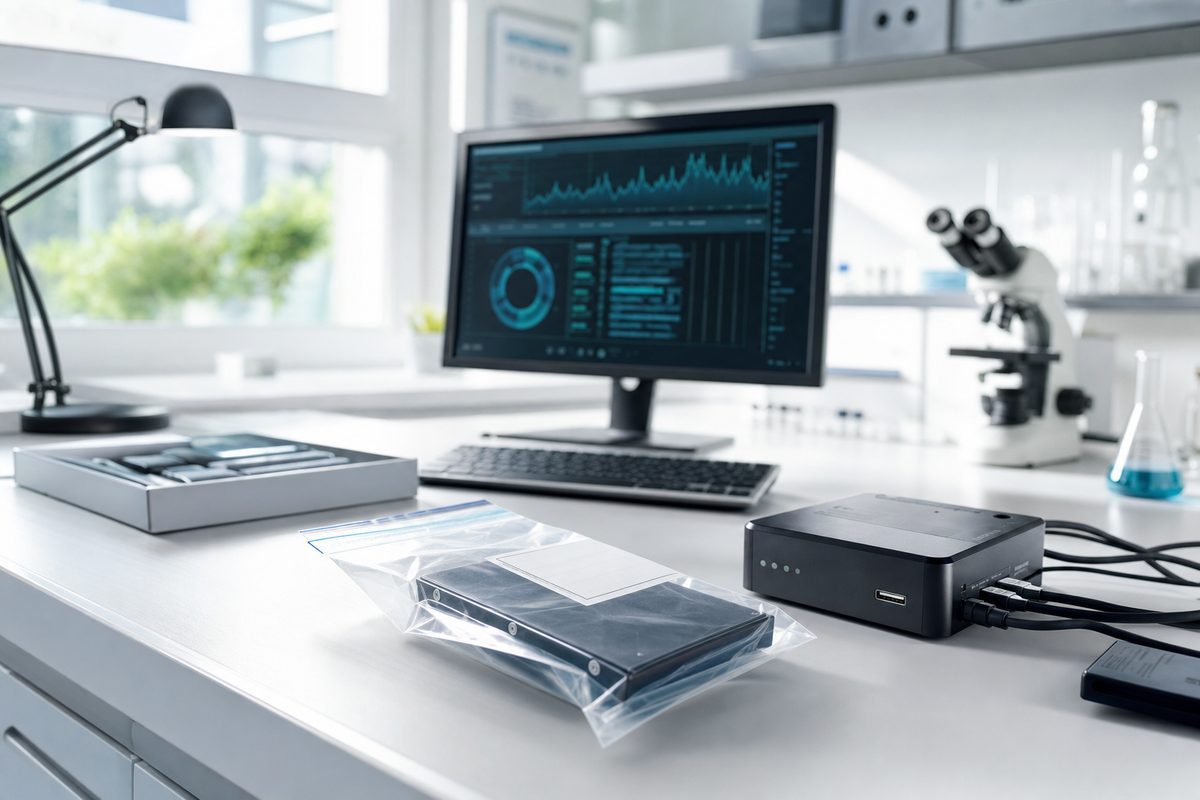
Plan collection around your people and equipment
Which company accounts and devices hold the financial, client or proprietary records in question?
Tell us which records matter and where the devices are held. An authorized contact can help arrange remote mailbox collection while users continue working. We will discuss any computer or phone acquisition separately and agree on the records counsel needs for the next decision.
Coordinate Connecticut records with regional counsel
A Connecticut engagement may involve devices held by local employees and email or cloud systems administered from another office. Provide the custodian locations, the business records at issue and the IT contacts who can arrange authorized access. GDF plans preservation and reporting around that working arrangement.
For matters involving Connecticut and neighboring states, identify where the records and decision-makers are located and which deadlines govern delivery to counsel. Remote account collection and coordinated device handling help keep the evidence plan organized across the different participants.
Employee email theft and company-file transfers in Connecticut
Explore flat-rate employee exit Core Analysis or a broader trade-secret forensic examination for your matter.
For an executive departure or partner separation, discuss the business records, account authority and decisions the examination should support.
Can you review employee email and files for a Connecticut company?
Yes. GDF supports Connecticut businesses and counsel with authorized email, cloud and computer collection, activity analysis and reporting. We coordinate the relevant records across the offices and account administrators involved.
Plan the service around your Connecticut team
Explore the evidence sources, security assessment methods and expert deliverables for the engagement you need.
- Outlook, Microsoft 365, OneDrive and SharePoint evidence
- Gmail, Google Workspace and Drive collection
- Cloud file sharing and account activity
- AI security assessment and deployment review
- OT, ICS and SCADA security assessments
- AI expert reports and testimony
- Answers about collection, costs and forensic reports
The engagement
How GDF works in Connecticut
Connecticut matters concentrate in three sectors that shape the evidence: hedge funds and financial services along the Gold Coast in Stamford and Greenwich, insurance carriers and their reinsurance operations in Hartford, and data-heavy academic and research operations at Yale in New Haven and UConn across Storrs and its regional campuses. The metro coordination for Connecticut runs through the same intake as the rest of the region, so a Stamford matter that expects a New York counterparty and a Newark vendor stays on one working timeline.
Connecticut source collection and examination are planned through the existing metro intake at (212) 561-5860. Identify the client or counsel location, authorized source owners and operating restrictions. Remote access and any site visit must be arranged for the source and matter.
The engagement model is independent and technical. GDF produces the forensic record, the expert report, and, where the matter reaches it, deposition or trial testimony. Admissibility is decided by the court. GDF's role is to make the method defensible: documented custody, validated tooling, reproducible notes, and a clean separation between observed facts and expert opinion.
Local venues and regulators
Connecticut courts and regulators
District of Connecticut (federal)
The United States District Court for the District of Connecticut holds court in New Haven, Bridgeport, and Hartford. Preservation, collection, and expert reporting are scaled to the schedule set by the assigned judge. eDiscovery workflows are designed to meet FRCP Rule 26(f) discussion requirements and Rule 34 production form obligations, with load files matching what the receiving side actually uses.
Connecticut Superior Court
Trial-level state court is organized by judicial district. Commercial matters in the Complex Litigation Docket carry case management orders comparable to federal practice, with defined ESI, custodian, and production requirements. Expert reports and workpapers are prepared so opposing counsel and another qualified examiner can follow the method.
Connecticut Data Privacy Act (CTDPA)
The Connecticut Data Privacy Act creates rights and controller obligations for the personal data of Connecticut consumers. Incident response and forensic collection are scoped so the technical record supports counsel's analysis of consumer notification, data-processing agreements, and any assessments the Attorney General may request. GDF does not provide legal advice on whether obligations are triggered.
Connecticut Insurance Department
Hartford concentrates insurance carriers, brokers, and reinsurance operations. Matters in this sector may involve the Insurance Data Security Law and department cybersecurity oversight. Technical evidence is prepared so the client's compliance and legal teams can respond to market conduct inquiries and cybersecurity event reporting on the department's timeline.
Gold Coast financial services
Stamford and Greenwich concentrate hedge funds, family offices, and multi-strategy asset managers. Common technical work: mobile device preservation from portfolio managers and traders, Bloomberg and messaging platform records, cloud tenant collections, and trading and execution platform logs. Early preservation helps retain short-lived records before they are overwritten.
Yale, UConn, and research operations
Yale in New Haven and UConn across Storrs, Farmington, and regional campuses run data-heavy academic, medical, and research operations. Matters can involve research computing, health system data, sponsored research, credential compromise on federated identity, and IP disputes over research outputs. Preservation is scoped to avoid disrupting live research.
Coverage detail
Cities and counties served
Every Connecticut matter is dispatched from the New York metro intake. Local counsel and on-site logistics reach every county listed.
Connecticut focus pages
Local practice detail
The page below explains expert reports and testimony for Connecticut proceedings.
Frequently asked
Common questions
Do you cover matters filed in the District of Connecticut?
For a New Haven, Bridgeport or Hartford proceeding, identify the technical question, source owners and the assigned disclosure or production instructions. Scope supported collection, analysis and delivery against those requirements, with relevant examiner qualifications and dates confirmed. Examination, production delivery and testimony have separate scope and timing.
How fast can you respond to a Fairfield County incident?
For an active Connecticut incident, use the 24/7 hotline. Confirm the systems, retention risks, authorized contacts and available response arrangements before remote preservation or a site visit is scheduled.
Do you work on hedge fund and asset management matters?
Yes. The Gold Coast concentration means common technical sources include mobile handsets, Bloomberg and messaging platform records, execution and order-management platforms, cloud tenants, and endpoint telemetry. Preservation on day one is scoped to capture short-retention audit data before it rotates.
Can you support Connecticut Data Privacy Act analysis?
GDF develops the incident timeline, affected-system and data record, containment steps and visibility limits. Counsel distinguishes consumer-privacy obligations under CTDPA from breach-notice requirements, including section 36a-701b, and determines the duties that apply to the organization and event.
Do you handle insurance industry matters in Hartford?
Yes. Common technical work includes claims-platform preservation, agency and broker system collections, cyber event reporting under the Insurance Data Security Law, and market conduct examination support. The engagement is documented so internal audit and the department can follow the method.
Do you take private-party matters in Connecticut?
The Connecticut mix is heavily corporate: financial services, insurance, manufacturing, and life sciences drive most engagements, including internal review, trade-secret protection, incident response, and Superior Court civil work. Private-party work is limited to matters where the technical questions and evidence sources match, such as probate and estate disputes and civil disputes over data or intellectual property. GDF does not take divorce or custody matters.
Separate the evidence question from the legal duty
For a finance, insurance or research matter, identify the disputed event, source owner, retention and the permitted collection method. The technical chronology records what the available evidence can establish.
- An illustrative register can identify a tenant sign-in, supplied business transaction and device evidence on separate rows, retaining clocks and gaps.
- An account event does not alone identify an individual or establish that all accessible data was obtained.
- CTDPA consumer-privacy obligations and breach reporting under section 36a-701b are distinct questions for counsel.
- Agree source authority, qualified specialist roles, any appointment and secure handoff before evidence moves.
Talk with an examiner
Talk with the local team
Tell us where the people, devices or retaining team are located and the matter you need help with.
Since 1992 · 24/7 dispatch · Court-tested experts
Talk with an examiner
Discuss the matter and the next step.
Call to discuss timing, scope and the safest way to share information. Do not send evidence or credentials by email.
24/7 hotline: 1-800-868-8189
Local service intersections
Connecticut service pages
-
Computer Forensics Expert Witness in Connecticut
Computer forensics expert reports and testimony for the District of Connecticut and CT Superior Court under State v. Porter and CCE section 7-2.