
Complex AI evidence, clearly explained
AI Expert Witness Services
Need an expert who can explain an AI system to a judge or jury? GDF examines the technology and supporting records, prepares understandable reports and provides expert testimony tied to the questions in your case.
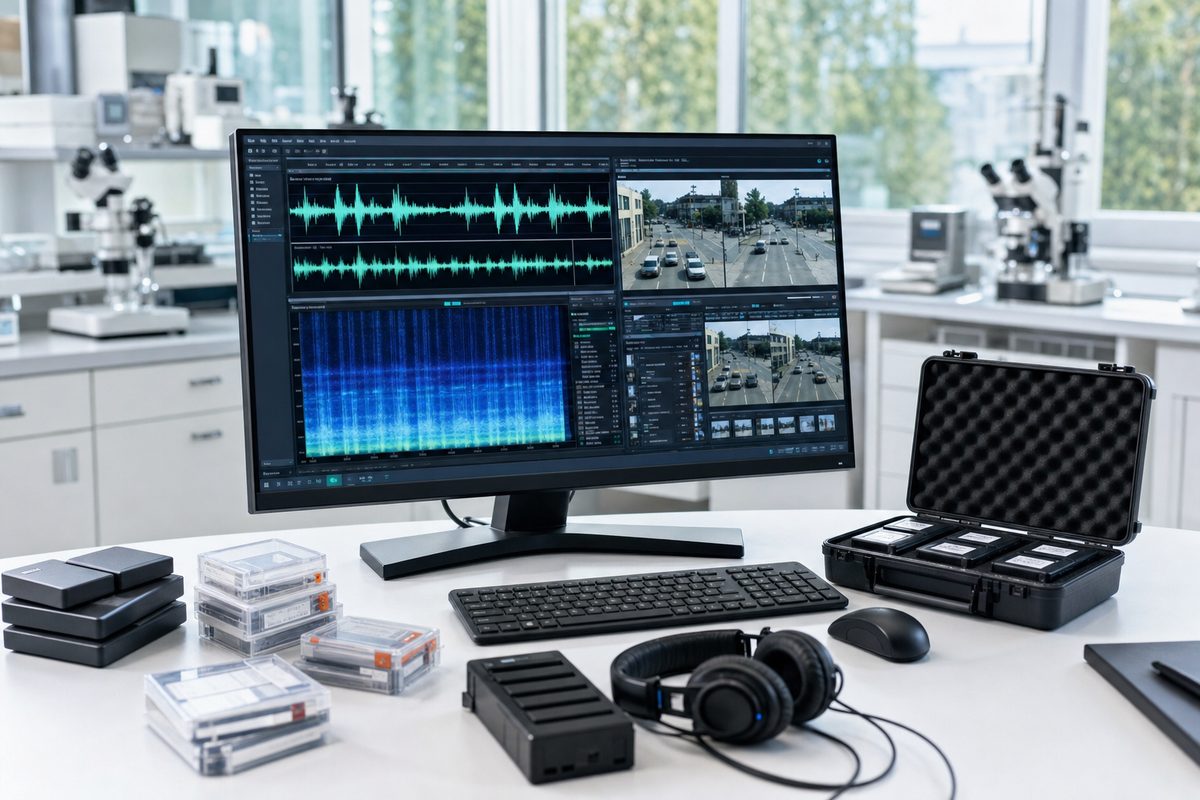
Explain observed AI behavior and what remains unknown
Preserve original requests, outputs, prompts where available, model/provider identifiers, tool and retrieval context, parameters and timestamps. A later replay may vary because the service, model or stochastic result changed; repeatable analysis of retained records is different from exact reproduction of a live response.
A test can explain a demonstrated application path and its conditions. It cannot by itself reveal hidden reasoning, prove unseen training membership or establish a single causal explanation when internal records are unavailable.
Match the assigned examiner and any separately qualified model, statistical, software or domain specialist to the opinion requested. The scope identifies available access, records and qualifications rather than treating general AI experience as every specialist credential.
Primary references: NIST adversarial machine-learning taxonomy, 2025 (opens in a new tab).
Experience with the systems behind the result
Joseph Caruso's background spans source code, transactional databases and technology disputes. Discuss the application and disputed behavior with GDF so the relevant expert experience and testing can be matched to your matter.
Turn the AI record into a clear explanation
AI disputes often combine software, data, user instructions and decisions made by the organization deploying the system. Counsel needs an expert who can separate those components, test the technical questions and explain the findings in language the audience can follow.
GDF brings technology expert-witness experience to the examination of models, application behavior, data provenance, evaluations and AI-generated or modified material. We work with counsel on the assignment, relevant records and reporting schedule.
Questions an AI expert can examine
- Which model, software version and configuration produced the output?
- What data was supplied, retrieved or used in the relevant workflow?
- How were performance or bias claims evaluated?
- What records explain the user request and resulting system action?
- How do source code, model artifacts or training records relate to a disputed technology claim?
- What technical evidence supports or challenges an opposing expert's conclusion?
We identify the question first, then the evidence and methods needed to address it.
Discuss your AI dispute and expert needs
Tell us the technical claim and your reporting deadline. We can discuss the records, testing and expert explanation needed for the matter.
Reports, affidavits and opposing-expert review
Our reports describe the system, questions examined, methods, findings and supporting material. Diagrams, timelines and examples help explain how data and instructions move through the application.
Opposing-expert review examines the report, underlying records, testing, assumptions and conclusions. Counsel receives a focused technical analysis for rebuttal, deposition preparation and questioning. We can also prepare affidavits, declarations and supporting exhibits.
Make the technology understandable in testimony
A judge or jury should be able to follow how an AI result was produced and why the technical findings matter to the dispute. We explain the relevant components in sequence and connect the testimony to the records and exhibits.
For example, a diagram can show a user question, documents retrieved by an application, the model response and the action recorded by a connected tool. This illustrative sequence helps explain which part of the system is being examined.
Our technology expert-witness practice describes reports, opposing-expert review and testimony. Meet our forensic experts and discuss the qualifications your matter requires.
Evidence and methods matched to the dispute
The examination may include model versions and checkpoints, data manifests, source code, configuration, prompts, outputs, retrieval records, evaluation results and deployment logs. We record the conditions and methods used in testing and connect material findings to specific records.
Training-data and software disputes can draw on trade-secret forensic analysis. Questioned recordings and images connect to AI and deepfake analysis. A security assessment of a deployed system belongs with AI security consulting.
Plan the engagement with counsel
Bring the disputed technical issue, relevant reports, known systems, available evidence and deadlines. We help identify the expert role, evidence requests, examination sequence and deliverables.
The result is a coordinated technical record supporting clear reporting, deposition and testimony. Counsel can review the methods, supporting exhibits and explanation throughout the engagement.
Evidence reviewed
- Model, application and data records
- Prompts, outputs, evaluations and logs
- Opposing-expert reports and supporting material
What you receive
- Expert reports, affidavits and exhibits
- Technical review and rebuttal analysis
- Deposition and trial testimony
Frequently asked
Common questions
Can you explain AI concepts to judges and juries?
Yes. GDF develops clear reports, diagrams and testimony that explain the relevant AI components and connect the findings to the evidence in the case.
Can you review an opposing AI expert?
Yes. We examine the report, underlying material, testing and reasoning, and provide technical findings that support rebuttal and deposition preparation.
Can the examination include training data and model behavior?
Yes. We scope the relevant model artifacts, data records, evaluations and application activity, then document the methods and supporting evidence used to examine the disputed question.
Can you prepare affidavits and testify?
Yes. Our expert engagements can include reports, affidavits, declarations, deposition, hearing and trial testimony, coordinated with counsel and the assignment.
What should counsel provide first?
Start with the technical issue, parties, deadlines and an overview of available evidence. We will discuss relevant expertise, the examination plan and the report or testimony needed.
Make the disputed AI behavior understandable
Find regional collection and engagement information or meet the forensic team. Ask about the collection method and report format that fit your matter.
Discuss your AI dispute and expert needs
Call to discuss your next step and arrange secure information sharing.