
Complex technology. Clear reports. Persuasive testimony.
Technology Expert Witness Services
GDF brings decades of technology and expert-witness experience to your litigation team. We examine the evidence, prepare clear reports and explain the findings in language judges and juries understand.
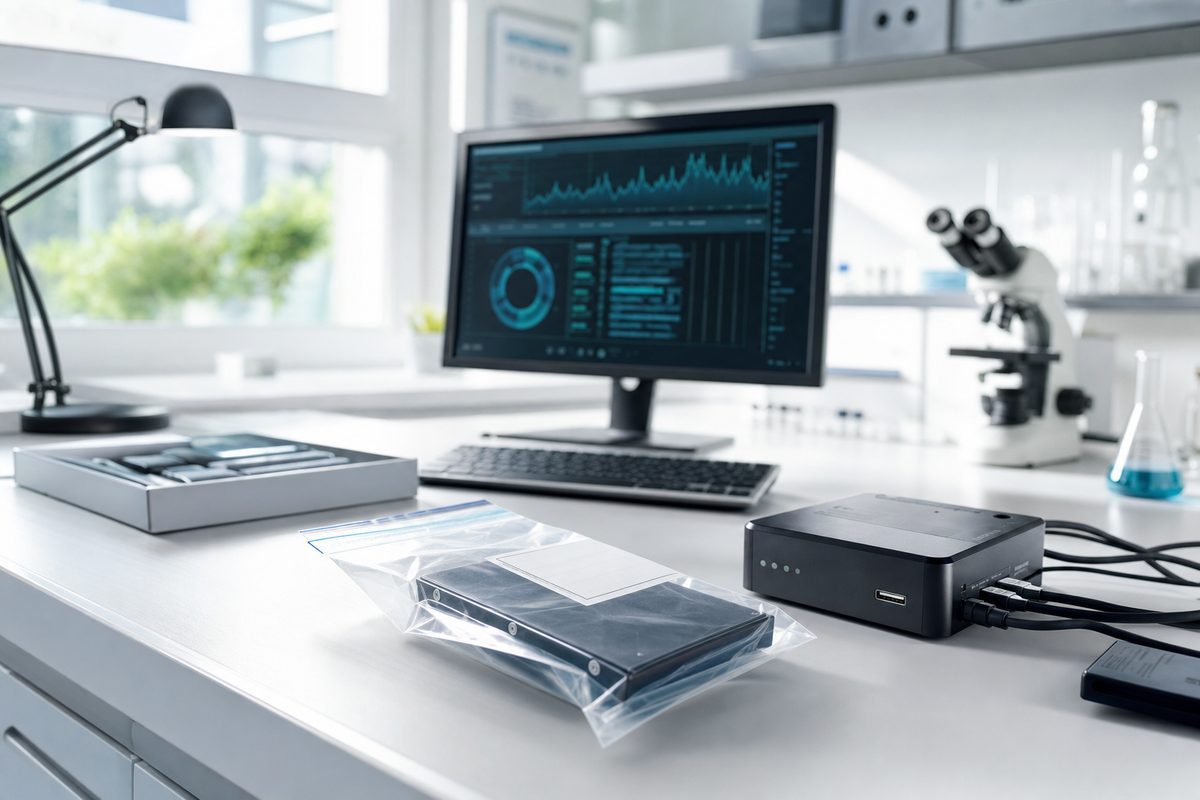
Agree the rules for a neutral examination
Identify appointment or protocol authority, conflicts, permitted sources and access, examination questions, private communications rules, disputed-scope handling and report recipients before collection. Preserve the instructions and record any approved changes.
A retained-party expert engagement and a neutral examination have different communications and distribution expectations. The scope states the role explicitly; access disputes or requests outside it return to the parties or appointing authority.
Maritime records work can concern available navigation-system files, timestamps, configuration or software behavior. Collision reconstruction, navigation practice or vessel-operation opinions require separately confirmed maritime qualifications and scope.
Meet the people who explain the findings
Joseph Caruso brings experience in databases, source code and technology disputes. Veronica Perez focuses on mobile and device evidence. Robert Knudsen brings computer examination, evidence handling and testimony experience. Ask for the current CV and experience relevant to your matter.
The engagement
Technical depth. Clear explanations. Experienced testimony.
The strongest technical finding still needs an explanation the audience can follow. GDF connects the systems, records and events in dispute to the questions counsel needs to answer. Our work includes expert reports, opposing-expert review, deposition preparation, affidavits, declarations and trial testimony.
Our clients include AmLaw 100 law firms, Fortune 500 companies and small and midsize businesses. We work with counsel to understand the issue, identify the right technical expertise and develop reports and exhibits that make the evidence useful to the litigation team.
Disputed email: COMLAB v. Kal Tire. GDF examined email and document metadata and a claimed computer-virus explanation, then testified at an evidentiary hearing. The court credited his technical testimony, dismissed the action with prejudice and awarded reasonable fees and costs to Kal Tire. Read the case and the court's findings.
Biometric records: Rogers v. BNSF Railway. GDF analyzed biometric-system database records for plaintiffs' counsel and helped make the data understandable as evidence. The litigation ultimately resolved through a $75 million class settlement. Read the full case history and GDF's role.
Choose your specialty. Follow the links to explore relevant expert services. Embedded systems and maritime navigation are described here, with a direct path to discuss your matter.
Scope
Technology Expert Witness
Explain system design, functionality and the technical events behind a commercial or product dispute. Explore technology expert witness.
Software and Intellectual Property
Years of experience supporting patent, trademark and theft-of-trade-secrets matters. We examine source code, development history, access and software behavior, then explain the technical findings. Explore software and intellectual property.
Computer Forensics Expert Witness
Extract data, correlate events, build timelines and map relationships so counsel can see how the digital evidence fits together. Explore computer forensics expert witness.
Email, Social Media and Internet Technologies
Authenticate communications, trace email activity and connect messages, attachments, accounts and online records to the disputed events. Explore email, social media and internet technologies.
Biometrics and BIPA
Explain biometric collection, system operation and database records, including the technical basis for the counts and relationships presented in a BIPA matter. Explore biometrics and bipa.
Databases and Cloud Storage
Reconstruct transactions, examine access and changes, and turn complex database and cloud records into understandable findings. Explore databases and cloud storage.
Mobile Devices and Cellular Networks
Connect messages, device activity, location evidence and cellular-network records to the chronology counsel needs to understand. Explore mobile devices and cellular networks.
Embedded Systems
Examine how firmware, software and hardware work together. Explain device behavior, configuration and recorded events in product and technology disputes. For example, we can examine how a configuration, sensor input or software instruction relates to the recorded event. Get a free consultation.
Examine navigation-system records and explain how recorded positions, times, configuration and system behavior relate to the events in dispute. Questions can include how timestamps align across systems and what the records show about navigation-system operation. Get a free consultation.
Methodology
From complex evidence to a clear expert opinion
-
Understand the case
Discuss the disputed technology, case strategy, available records, deadlines and expertise needed with counsel.
-
Examine the evidence
Apply documented methods, test the relevant technical questions and build a record supporting the findings.
-
Prepare the explanation
Develop clear reports, timelines and exhibits that connect the technical findings to the issues in the case.
-
Present and support
Prepare with counsel and provide deposition, hearing or trial testimony that explains the work and its conclusions.
Evidence commonly examined
Evidence reviewed
- Forensic images and examiner workpapers
- Native files and metadata
- Tool reports and validation material
- Discovery protocols and collection records
- Source logs and system documentation
- Opposing reports, declarations and exhibits
What you can expect
What you receive
- Expert reports, declarations and affidavits with supporting findings
- Opposing-expert analysis, rebuttal reports and technical deposition topics
- Clear timelines, demonstratives and evidence exhibits
- Deposition, hearing and trial testimony; neutral examination reports
Discuss your case and expert requirements
Discuss the question, sources and deadline. We can review relevant experience, potential conflicts and the scope before engagement.
Read a public-record forensic case study · Review the forensic team and relevant qualifications
Get a free consultationFrequently asked
Common questions
Where can I find a technology expert who can explain complex concepts to judges and juries?
GDF provides technology expert witnesses with decades of experience. We make complex evidence understandable through clear reports, relevant exhibits and testimony that connects the technology to the facts of your case.
Can you prepare an expert report, affidavit or declaration?
Yes. Our experts prepare reports, affidavits and declarations that explain the questions examined, methods used, findings and supporting evidence. We coordinate with counsel on the assignment and reporting deadlines.
Can you review the opposing expert’s report?
Yes. We review the underlying evidence, methods, assumptions and conclusions, then help counsel understand the technical issues. Our work can support rebuttal reports, deposition preparation and examination of the opposing opinion.
Can you provide deposition and trial testimony?
Yes. GDF experts provide deposition, hearing and trial testimony. We explain the technical work in clear language and use supporting records and exhibits to help the audience follow the findings.
What case results demonstrate your experience?
Our published examples include biometric database analysis in Rogers v. BNSF Railway, a BIPA matter resolved through a $75 million settlement, and GDF’s expert testimony in COMLAB v. Kal Tire, where the court dismissed the action with prejudice and awarded attorney’s fees and costs. The case studies explain GDF’s work and the outcomes.
Do you work with smaller firms and businesses?
Yes. Our clients include AmLaw 100 law firms, Fortune 500 companies and small and midsize businesses. We discuss the technical questions, scope and resources to identify the expert support the matter needs.
Can you serve as a neutral examiner?
Yes. We conduct neutral and court-appointed examinations under an agreed protocol or court order, with defined scope, evidence handling, analysis and reporting.
Talk with an examiner
Discuss your matter and next step
Tell us the systems, evidence and deadline. We can review relevant experience, potential conflicts and the scope before engagement.
Since 1992 · 24/7 dispatch · Court-tested experts
Talk with an examiner
Discuss the matter and the next step.
Tell us what happened and what you need to find out. Speak with a GDF expert about how we can help.
24/7 hotline: 1-800-868-8189
GDF Core Analysis: departures and business separations
A flat-rate forensic examination for the agreed scope, with evidence preservation and an activity timeline that business leaders and counsel can understand.
- Employee Exit Core Analysis: Did an employee take proprietary information? GDF Core Analysis preserves evidence and explains computer, email, cloud and AI activity at a flat rate.
- Executive Departure Core Analysis: GDF Core Analysis examines executive computer, email, cloud and AI activity. Flat-rate forensic preservation and clear reporting for leadership.
- Business Partner Separation Core Analysis: GDF Core Analysis preserves records when business partners separate. Flat-rate forensic examination of email, files, cloud storage and AI activity.