
Digital evidence and security
Los Angeles Computer Forensics
Computer, mobile and cloud evidence for Los Angeles commercial disputes, litigation and security incidents. Start with the facts you need to establish.
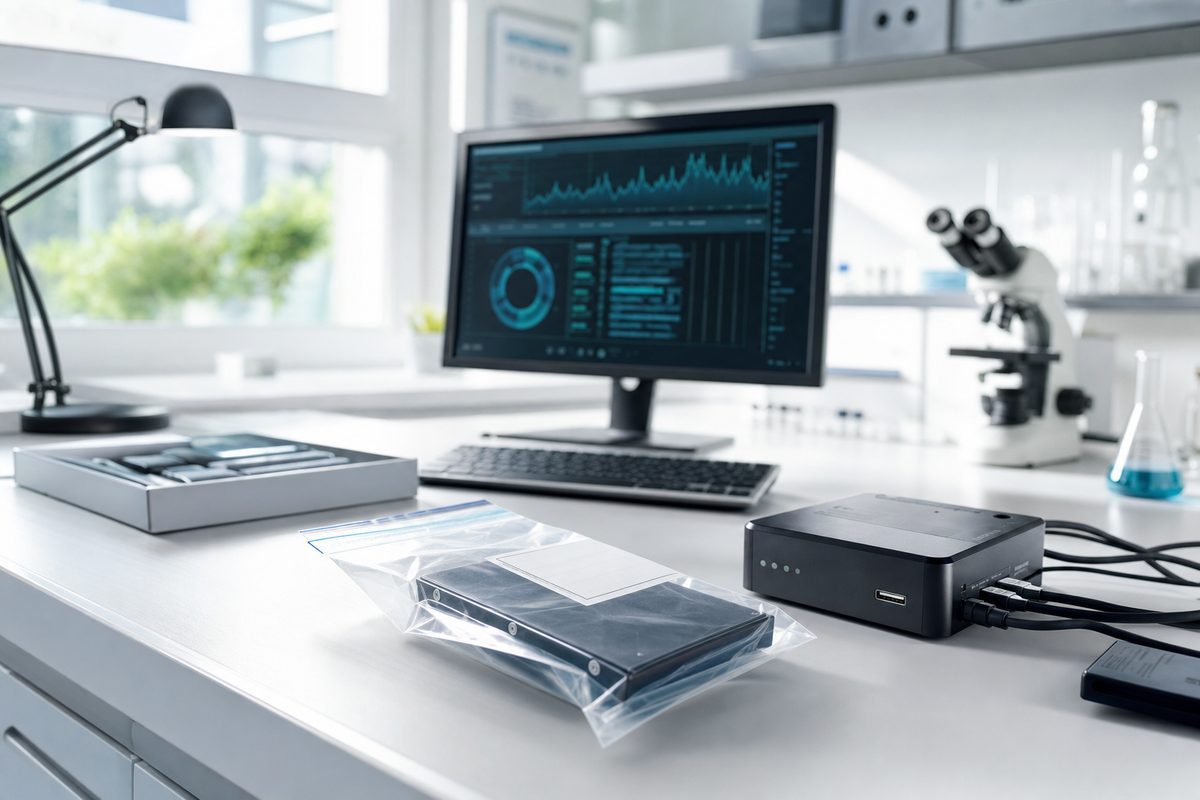
Connect Los Angeles project files, messages and device evidence
For a Los Angeles departure or commercial dispute, identify the project material, shared storage and communication channels used by the person involved. Client files, creative assets, source repositories and ordinary business records each have their own version and access history. GDF helps define the sources relevant to your question.
When collaborators or outside providers hold parts of the record, counsel can coordinate the authorized accounts and delivery requirements before collection. The existing Los Angeles computer-forensics and eDiscovery services provide a local path for planning devices, records and expert deliverables.
Employee email theft and company-file transfers in Los Angeles
Explore flat-rate employee exit Core Analysis or a broader trade-secret forensic examination for your matter.
For an executive departure or partner separation, discuss the business records, account authority and decisions the examination should support.
Connect the examination with Los Angeles discovery coordination and Los Angeles expert witness support.
Can you help with suspected employee email theft in Los Angeles?
Yes. We examine company email, cloud sharing and related computer activity for Los Angeles matters. The engagement can connect a focused departure review with local computer collection, eDiscovery and expert reporting.
Los Angeles forensics and security services
Evidence priorities in Greater Los Angeles
For an LA matter involving project media, intellectual property or a distributed business team, identify the organizations that control the records as well as the people using them. A contractor may hold the source project while a client has only a rendered deliverable. Preserve both where authorized, and record the relationship between them. For litigation, counsel identifies the venue and applicable requirements; GDF supplies technical work, not legal advice.
Scope the work to the matter
Computers, drives and mobile devices
Define whether the question concerns file presence, access, transfer, deletion or communication. Preserve the device state and collection record. An acquisition hash helps identify a data set; it does not establish authorship or prove that every relevant source was collected. Avoid running recovery utilities or resetting a device before discussing preservation.
Project files and disputed media
Keep native files, source recordings, project dependencies and available revision history. A compressed messaging copy may lack metadata or details present in the original. Distinguish authenticity of the media from the identity of its creator, and examine surrounding communications before attributing an edit or disclosure.
Employee departures and access disputes
Compare endpoint artifacts with identity, sharing, mailbox and repository records around the agreed dates. Account activity does not automatically identify the person responsible. Document time zones, retention gaps and alternative explanations before presenting a timeline to management or counsel.
Security testing and incident evidence
Separate a live incident from a planned penetration test. During an incident, coordinate preservation with containment and recovery. For testing, agree written authorization, target ownership, excluded systems, test windows and stop conditions. Vulnerability assessment findings and demonstrated attack paths should be reported distinctly.
Services available through GDF
Use the technical service pages for methods, evidence sources and deliverables.
- Computer and hard drive forensics
- Mobile device forensics
- Email and cloud evidence
- Expert witness support
- Penetration testing
- Vulnerability assessments
- Application penetration testing
- Incident response
- eDiscovery collections
- Departing employee analysis
- Evidence-aware data recovery
- OT and SCADA security
- AI security consulting
Arrange an evidence or security consultation
Begin with a nonconfidential summary, the parties for conflict review, the relevant dates and any immediate deadline. Identify who controls the devices and accounts, and whether anything is scheduled for deletion or reuse. Confirm authorized scope and a protected transfer method before sending evidence. Do not send passwords or ship equipment without arrangements.
Frequently asked
Questions about Los Angeles engagements
Can the work include contractors and records outside Los Angeles?
Yes, where access and collection are authorized. Map each custodian to the relevant devices, tenants and service providers. A local business address does not determine where its electronic records reside.
Can you recover every deleted file?
No. Storage reuse, encryption, device damage and deletion behavior can prevent recovery. An examiner assesses the available sources and explains what could and could not be obtained.
Should we collect everything before contacting an examiner?
Not necessarily. Unplanned copying can omit metadata, overlook linked records or change useful evidence. Describe the sources and urgency first so preservation and collection can be scoped deliberately.
Before collecting evidence
For an active incident, call 1-800-868-8189.
Preserve the project files behind the final export
For a media, design or software matter, identify the native project, source material, linked files, revision history and relevant account records. A final export can differ from the source project and omit material needed to explain a change.
An illustrative acquisition inventory can mark the project file preserved, the source recording supplied separately and one linked asset unavailable. The resulting chronology should distinguish observed edits, sync events and interpretations that require another source.
- Bring the disputed proposition, project identifiers, devices or repositories and current access.
- Confirm method feasibility, encryption or device state and any source that needs a vendor export.
- Agree remote collection, controlled device transport or a scheduled visit and the custody record.
- Separate forensic recovery from project reconstruction and identify incomplete dependencies in the report.
Gmail, Google Workspace and Drive collection · Cloud file sharing and account activity · OT, ICS and SCADA security assessments · AI expert reports and testimony
Talk with an examiner
Talk with the local team
Tell us where the people, devices or retaining team are located and the matter you need help with.
Since 1992 · 24/7 dispatch · Court-tested experts
Talk with an examiner
Discuss the matter and the next step.
Call to discuss timing, scope and the safest way to share information. Do not send evidence or credentials by email.
24/7 hotline: 1-800-868-8189
Local service intersections
Los Angeles service pages
-
Los Angeles Computer and Hard Drive Forensics
Computer and hard drive forensics for Los Angeles businesses. Examine project files, employee activity and transfers with documented methods and limits.
-
Los Angeles eDiscovery Collections
Los Angeles eDiscovery support for distributed custodians, cloud records and project files. Plan preservation, collection and a documented review handoff.
-
Los Angeles Computer Forensics Expert Witness
Digital evidence expert support for Los Angeles counsel: artifact review, technical opinions, reports and testimony with documented methods and limits.
-
Los Angeles Mobile Device Forensics
Los Angeles mobile device forensics for business evidence. Examine phone messages, attachments and app records with source context and documented limits.
-
Los Angeles Penetration Testing
Penetration testing for Los Angeles businesses. Assess authorized attack paths and third-party boundaries, with documented findings and scoped retesting.
-
Los Angeles Vulnerability Assessments
Vulnerability assessments for Los Angeles organizations. Verify asset coverage, review findings and prioritize remediation with exclusions and retesting.